For many homeowners, understanding the roof replacement process is key to a smooth and stress-free project. It’s a big investment that protects your home and family for decades.
Here’s a quick look at the main stages involved:
A new roof is one of the most important investments you’ll make for your home. It’s not just about aesthetics; it’s about crucial protection against harsh weather, boosting energy efficiency, and increasing your home’s value. Knowing what to expect helps you make informed decisions and ensures a long-lasting, successful outcome.
As Jason Hedtler RE, owner of Roof Experts LLC, I’ve spent years helping homeowners like you with their roofing needs. My goal is to simplify understanding the roof replacement process so you feel confident and secure in your investment.

Understanding the roof replacement process vocab explained:
When we talk about understanding the roof replacement process, we aren’t just talking about nailing down some shingles and calling it a day. A roof is a complex system of integrated components designed to keep your home dry and insulated. Whether you are in Bellingham, Natick, or Taunton, the process remains a structured journey from the first look to the final nail.

The journey begins with an initial assessment. This isn’t just a quick glance from the driveway. A thorough inspection involves checking the flashing)—those metal transitions around chimneys and vents—and diving into the attic. Why the attic? Because your attic tells the “secret history” of your roof. We look for water stains, mold, or daylight peeking through, which indicate structural issues or failing ventilation systems.
Proper ventilation is the unsung hero of roof replacements. Without it, heat and moisture build up, “cooking” your shingles from the inside out and potentially voiding your warranty. Once the assessment is complete, we move into the logistical phase: selecting materials and obtaining building permits. In Massachusetts and Rhode Island, local regulations are strict, and we ensure every roof replacement process we handle is fully compliant with municipal codes.
| Material Type | Typical Lifespan | Pros | Cons |
|---|---|---|---|
| Asphalt Shingles | 20–30 Years | Affordable, versatile, easy to install | Shorter lifespan than premium options |
| Metal Roofing | 40–70 Years | Extremely durable, fire-resistant, eco-friendly | Higher upfront cost, can be noisy |
| Natural Slate | 60–150 Years | Unmatched beauty, longest lifespan | Very heavy, expensive, requires specialist labor |
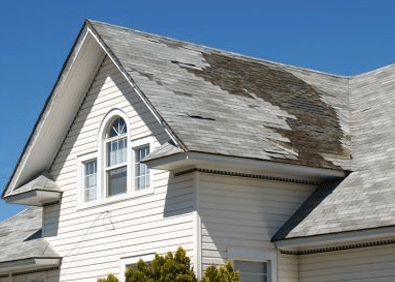
How do you know it’s time to call in the experts? Sometimes the roof screams for help, and sometimes it just whispers. If your roof is approaching the 20-to-25-year mark, it’s likely time for a complete roof replacement.
Common red flags include:
In our guide to installing a new roof, we emphasize that catching these signs early can prevent a simple replacement from turning into a massive structural repair project. Knowing what to expect during the new roofing process starts with a professional drone or manual inspection to map out every square inch of the surface.
Once the dumpster arrives and the crew is on-site, the real work begins. The new roof installation process follows a precise sequence to ensure a watertight seal.
For a deeper dive, check out our asphalt roof installation guide for specific technical details.
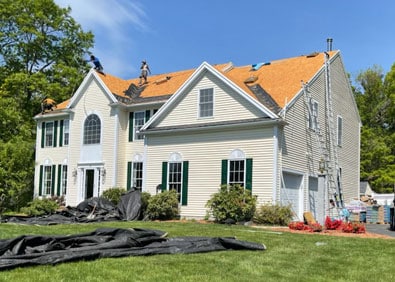
A roof replacement is a construction zone, but it shouldn’t feel like a war zone. When shingling a roof, we take extensive measures to protect your property. We ask homeowners to move vehicles out of the driveway to make room for the dumpster and to protect them from falling debris.
We use “catch-all” netting and tarps to shield your landscaping, flowers, and shrubs. Safety is our top priority; our crews use OSHA-approved safety harnesses and fall protection equipment at all times. After the shingles are installed, we don’t just leave. We perform a meticulous site cleanup, including multiple passes with a high-powered magnetic nail sweep to find those pesky stray nails that like to hide in the grass.
Learning how to install new shingles on a roof is only half the battle; the other half is ensuring the homeowner’s property is left in better condition than we found it.
A new roof is a significant financial commitment, but it’s also one of the highest ROI (Return on Investment) projects you can undertake. According to industry data, a new roof can yield an 85% or higher return on investment when selling a home. By understanding the roof replacement process, you can better navigate the costs and ensure you’re getting the best value.
Our roof replacement guide 2025 highlights that choosing energy-efficient options, like a cool roof, can even lower your monthly utility bills by reflecting more sunlight and absorbing less heat.
Every home is unique, and several factors will influence your roof replacement quote complete guide:
We always recommend homeowners consult the GAF Roofing Guide for Homeowners to understand the different roof replacement options available in the market today.
When you invest in a roof installation, you are paying for peace of mind. That peace of mind comes from two types of warranties:
Many warranties are prorated, meaning their value decreases over time. Always read the fine print to see if labor is included in the material warranty. For more on this, see our page on roof-replacement details.
Once your new roof installation process is complete, the work doesn’t entirely stop. To get the full 25–30 years out of your investment, a little TLC goes a long way.
At Roof Experts, we’ve spent over two decades serving neighbors from Framingham to Wareham and everywhere in between. Understanding the roof replacement process shouldn’t be a mystery. With the right team and a clear playbook, you can protect your home for a generation to come.
Ready to start your project? Contact us today for a free estimate!
Roof Installations
Roof Replacements
Roof Repairs