
Installing a new roof is a critical project for any homeowner. It protects your home from the elements, improves curb appeal, and can increase property value. Here’s a quick overview of the key steps involved:
For homeowners in Franklin and Bellingham, MA, opting for a new roof isn’t just about aesthetics. New England weather can be harsh, making a sturdy and well-installed roof essential for long-term home protection.
Roof Experts is your go-to roofing expert in Massachusetts. With over 20 years of experience, they offer high-quality roofing services, ensuring your home is protected and looks stunning. From meticulous site preparation to thorough clean-up, Roof Experts emphasizes customer satisfaction at every step.

Ready to take the next step? Dive into our comprehensive guide for detailed instructions and tips on installing a new roof!
When installing a new roof, safety should always be your top priority. The leading cause of injury among roofers is falls, so taking precautions is crucial. Here are some key safety tips:

Before you start, check if you need a building permit. In Massachusetts, many towns require permits for roofing projects. Contact your local building department to find out what’s needed. Ignoring this step can lead to fines or forced removal of your new roof.
Weather plays a significant role in roofing. Ideal conditions are dry and temperatures between 50 and 80 degrees Fahrenheit. Avoid working when it’s wet, windy, or excessively hot. A slippery roof is a dangerous roof, and high winds can make handling materials hazardous.
Proper site preparation ensures a smoother installation process.

By focusing on safety, securing the necessary permits, monitoring weather conditions, and preparing your site, you set the stage for a successful roof installation. Now, let’s move on to choosing the right materials for your new roof!
Selecting the right material for your new roof is crucial. Each type has its own benefits and drawbacks. Here’s a simple guide to help you decide:
Pros:
– Cost-Effective: Prices range from $4.25 to $8.25 per square foot, making it one of the most affordable options.
– Versatile: Suitable for various architectural styles.
– Easy to Install: Shorter installation time compared to other materials.
Cons:
– Shorter Lifespan: Typically lasts between 15 to 30 years.
– Maintenance: May require more frequent repairs.
Best For: Homeowners looking for an affordable, quick-fix solution.
Types:
– Corrugated Metal: $5.50-$11.50 per square foot.
– Aluminum Shingles: $6-$16 per square foot.
– Standing Seam Metal Panels: $10-$17.05 per square foot.
– Steel Shingles: $10-$20 per square foot.
Pros:
– Durable: Can last up to 50 years.
– Weather-Resistant: Good for areas with extreme weather conditions.
– Eco-Friendly: Often made from recycled materials.
Cons:
– Noise: Can be loud during rain or hail.
– Cost: Higher initial investment.
Best For: Those who need a long-lasting, durable roof and are willing to invest more upfront.
Pros:
– Aesthetic Appeal: Adds a natural, rustic look.
– Durable: Resistant to extreme weather and can last up to 30 years.
– Energy-Efficient: Provides good insulation.
Cons:
– Costly: Ranges between $8 to $14.30 per square foot.
– Maintenance: Requires regular upkeep to prevent moss and fungus growth.
Best For: Homeowners who prioritize aesthetic appeal and are willing to invest in maintenance.
Pros:
– Durable: Can last up to 75 years.
– Fire-Resistant: Excellent fire rating.
– Eco-Friendly: No harmful chemicals in production.
Cons:
– Heavy: Requires strong structural support.
– Expensive: Costs between $12 to $24.75 per square foot.
Best For: Those who want a long-lasting, eco-friendly option and can handle the higher cost and weight.
Choosing the right material is a balance between cost, durability, and aesthetics. Your choice will impact not just the look of your home but also its longevity and maintenance needs.
Next, let’s dive into the step-by-step guide to installing a new roof!
The first step in installing a new roof is tearing off the old one. This involves removing all the old shingles, nails, and underlayment.
Pro Tip: Start at the top and work your way down layer by layer. Use a roof shovel or pry bar to make the job easier. Don’t forget to rent a dumpster or set up a catch-all screen for debris.
Once the old roof is removed, you’ll see the roof deck, also known as sheathing. Inspect it carefully for any signs of damage like water stains or cracks.
Fact: The integrity of your roof relies on a solid foundation. This is your chance to make any necessary repairs or reinforcements.
Next, it’s time to lay the underlayment. This acts as a protective barrier between the elements and your home.
Pro Tip: Don’t scrimp on staples. Too few staples can cause the paper to tear under your feet, increasing the risk of a fall.
Now comes the main part: installing the shingles.
Pro Tip: Improper nailing is the leading cause of roof failures in storms. Follow the manufacturer’s nailing instructions to avoid this.
Flashing is crucial for preventing leaks in vulnerable spots like roof valleys, dormers, and vents.
Pro Tip: Don’t drive any nails through the flashing on the downward side of the slope — you still need to slide shingles underneath it.
By following these steps, you can ensure your new roof is installed correctly and will last for years to come.
Next, we’ll discuss cost considerations when installing a new roof!
When installing a new roof, it’s crucial to understand the various costs involved. From materials to labor, permits, and waste disposal, let’s break down what you can expect.
The type of roofing material you choose significantly impacts your overall cost. Here’s a quick look at some common materials and their price per square foot:
Asphalt shingles are the most budget-friendly and widely used option, while clay tiles and slate tiles are more expensive but offer longer life spans and better durability.
Labor costs can vary based on the complexity of the job and the experience of the roofing contractor. On average, labor can account for 60% to 70% of the total cost. For a standard asphalt shingle roof on a 2,000-square-foot home, labor costs typically range from $4,800 to $11,900.
Before you start, you’ll need to check if a permit is required. Permit costs can vary by location, but in Massachusetts, you can expect to pay between $150 and $500. Always check with your local building department to understand the specific requirements and fees.
Tearing off an old roof generates a significant amount of waste. Renting a dumpster is a practical solution and can cost between $300 and $500 for a medium-sized dumpster. This will help you avoid multiple trips to the dump and streamline your project.
Pro Tip: Protect your landscaping by using large tarps to catch debris and nails from the tear-off process.
| Cost Component | Price Range |
|---|---|
| Asphalt Shingles | $4.25 – $8.25 per sq. ft. |
| Labor | $4,800 – $11,900 for 2,000 sq. ft. |
| Permits | $150 – $500 |
| Dumpster Rental | $300 – $500 |
Understanding these cost considerations can help you budget effectively and avoid surprises during your roofing project.
Next up, we’ll cover maintaining your new roof to ensure it lasts for years to come!
Keeping your new roof in top shape is essential for its longevity and your peace of mind. Here are some practical steps to help you maintain your roof effectively.
Regular inspections are crucial. Aim for at least one professional inspection each year. According to Angi.com, the average cost for a roof inspection is between $125 and $342, depending on your location and roof size. During the inspection, the roofer will look for:
Catching these issues early can save you from costly repairs down the line.
Clean gutters prevent water from backing up and damaging your roof. Plan to clean your gutters at least twice a year—once in the spring and once in the fall. Here’s why it’s important:
If you’re not comfortable doing this yourself, consider hiring a professional gutter cleaning service.
Trimming overhanging trees is another key step. Overhanging branches can scrape against your roof and cause damage. They also provide a pathway for pests like squirrels and raccoons. Here’s what to do:
Regular tree maintenance can prevent unexpected damage and keep your roof in good condition.
Annual maintenance involves a combination of all the above steps and a few additional tasks. Here’s a quick checklist:
By following this checklist, you can keep your roof in optimal condition and extend its lifespan.
Maintaining your new roof may seem like a lot of work, but it’s worth it. Regular care can prevent small issues from becoming big problems, saving you time and money in the long run.
Next, we’ll address some frequently asked questions about installing a new roof to help you understand more about this important home improvement project!
Fall is widely considered the best time for installing a new roof. The weather is ideal—cooler temperatures make it easier to work on a hot rooftop, and there’s a lower risk of thunderstorms or rainfall compared to spring or summer. Plus, completing your roof by the end of fall ensures your home is sealed and ready for winter weather.
However, it’s crucial to schedule your project early. Fall is the busiest time for roofing professionals, so booking in advance ensures you secure your preferred contractor.
The time it takes to install a new roof can vary based on several factors:
On average, a new roof installation can take anywhere from a few days to a week. For example, a straightforward asphalt shingle roof typically takes 1-3 days, while more complex projects may take longer.
Yes, you can install a new roof over an old one, but there are important conditions to consider:
Installing a new roof over an old one can save you time and money, and it provides an extra layer of insulation. However, if you have an active leak or broken shingles, it’s best to remove the old roof to ensure a solid foundation for the new shingles.
For more detailed guidance, always consult a professional roofing contractor.
Next, we’ll wrap up with some final thoughts on the importance of a well-installed roof and how Roof Experts can help you with your roofing needs in Massachusetts.
A well-installed roof is more than just an aesthetic upgrade. It’s a vital part of your home’s structure, protecting you and your family from the elements. Longevity is one of the most significant benefits of a properly installed roof. With the right materials and professional installation, your roof can last decades, providing peace of mind and reducing the need for frequent repairs.
Value is another crucial factor. A new roof can significantly increase your home’s resale value. Prospective buyers often look for homes with recent roofing work to avoid future expenses. Plus, energy-efficient roofing materials can lower your utility bills, making your home more cost-effective in the long run.
If you’re in Massachusetts and considering installing a new roof, look no further than Roof Experts. Our team has over 20 years of experience and is committed to delivering high-quality workmanship and exceptional customer service. From new roof installations to comprehensive inspections, we have you covered.
Ready to get started? Visit our Roof Installations page to request a free inspection or estimate. Let us help you protect your home and enhance its value with a new, professionally installed roof.
We hope this guide has been helpful in understanding the ins and outs of installing a new roof. For any further questions or to schedule a consultation, don’t hesitate to contact us. Your roof is our top priority!
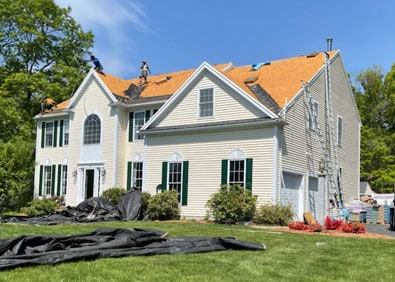
Roof Installations
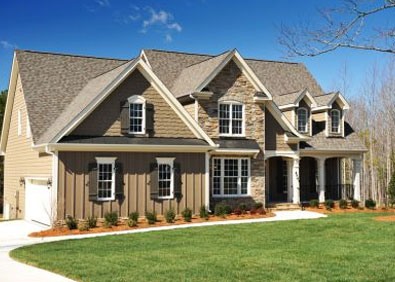
Roof Replacements
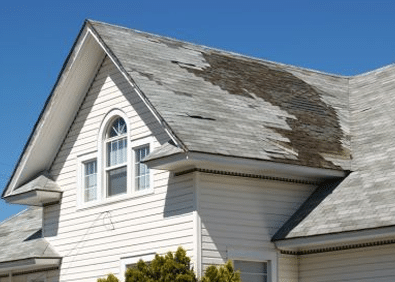
Roof Repairs