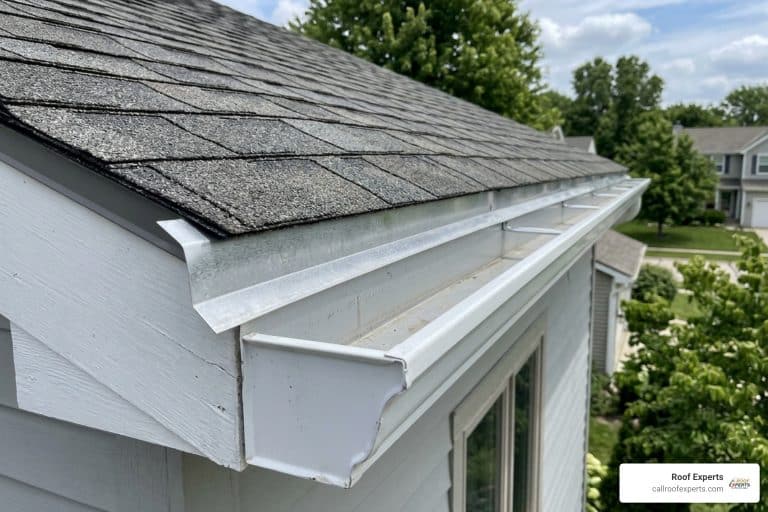

An aluminium flashing roll is one of the most important — and most overlooked — materials in residential roofing and exterior weatherproofing.
Quick answer: What is an aluminium flashing roll?
| Feature | Detail |
|---|---|
| What it is | A continuous strip of thin, flexible aluminum used to seal joints and transitions on roofs and exteriors |
| Primary use | Directing water away from vulnerable areas like valleys, chimneys, windows, and doors |
| Common widths | 4 in, 6 in, 14 in, 20 in, 24 in |
| Common lengths | 10 ft, 25 ft, 50 ft, 75 ft, 300 ft (contractor rolls) |
| Key advantage over steel | Naturally corrosion-resistant — no rust, no paint required |
| Typical lifespan | 20–30+ years when properly installed |
| Who uses it | Homeowners, roofers, gutter contractors, siding installers |
When water finds a gap at a roof valley, chimney edge, or window header, the damage compounds fast — rotted wood, mold, and costly structural repairs. The right flashing, installed correctly, stops that chain reaction before it starts.
Choosing between roll formats, thicknesses, finishes, and materials isn’t always obvious. This guide cuts through the noise so you can make a confident decision — whether you’re comparing options at the hardware store or talking specs with a contractor.
I’m Jason Hedtler, owner of Roof Experts LLC in Bellingham, MA, and I’ve worked with aluminium flashing roll across hundreds of roofing projects throughout Massachusetts — from simple gutter apron installs to complex chimney restorations. Everything in this guide reflects real-world experience, not just spec sheets.

Handy aluminium flashing roll terms:
At its core, an aluminium flashing roll is a continuous, flexible sheet of metal coiled into a roll. Unlike rigid, pre-bent flashing corners or step flashing pieces, a roll format gives you complete control. You can measure, cut, and bend the metal to custom-fit any transition on your home’s exterior.
Its primary job is water diversion. Gravity naturally pulls rainwater downward, but wind-driven rain can push moisture sideways or upward into structural joints. By installing a continuous barrier of aluminum, you force water to flow over the flashing and safely onto the shingles or into the gutters instead of slipping behind your siding or roof deck.

Because aluminum is lightweight, highly formable, and naturally corrosion-resistant, it can be shaped around complex contours without cracking or losing its structural integrity.
We use aluminium flashing roll in a wide variety of waterproofing projects. Some of the most common applications include:
When shopping for an aluminium flashing roll, you will notice a wide range of dimensions and finishes designed for different jobs.
How does aluminum hold up against other metals? Let’s look at the pros and cons of each:
| Material | Rust Resistance | Bendability | Lifespan | Galvanic Corrosion Risk | Best Use Case |
|---|---|---|---|---|---|
| Aluminum | Excellent (No Rust) | High | 20–30+ Years | Moderate (Avoid copper/wet treated lumber) | General roofing, valleys, windows, gutters |
| Galvanized Steel | Moderate (Can rust over time) | Medium | 15–20 Years | Low | Budget-friendly roofing projects |
| Copper | Outstanding | High | 50–100+ Years | High (Must use copper fasteners) | Historic homes, premium slate/tile roofs |
| Stainless Steel | Outstanding | Low | 50+ Years | Low | Marine environments, ultra-durable builds |
| Galvalume | High | Medium | 30–40 Years | Moderate | Metal roof transitions and trim |
In Massachusetts, we experience everything from heavy snow in Framingham to salty air along coastal areas like Bourne and Wareham. Choosing a corrosion-resistant material is crucial.
While copper is the gold standard for longevity, its high price tag makes aluminum the most practical, high-performance choice for the majority of residential projects. If you are planning a larger metal integration, you can explore professional metal roofing installations or consult a local roofing contractor to see how different metal systems perform in our climate.
Choose the right roll by matching the metal’s properties to your project’s demands:

Flashing installation is all about working with gravity. Here is a step-by-step best practice guide for a standard installation:
If you are tackling a flashing upgrade yourself, check out our guide on Don’t Get Flashed: A Homeowner’s Guide to Replacing Roof Flashing to avoid common DIY pitfalls. For tricky areas like chimneys, our guide on Sealing Around Chimney on Roof offers detailed step-by-step advice.
When purchasing an aluminium flashing roll, online stores offer many options, but rough shipping can sometimes result in dented or warped rolls. For guaranteed quality, we recommend sourcing materials through trusted local building supply outlets. For instance, you can easily find a standard 6 in. x 25 ft. Aluminum Roll Valley Flashing for quick weekend projects.
When choosing a supplier, look for:
If you want to make sure your home is completely protected against New England’s unpredictable weather, let a professional handle the heavy lifting. At Roof Experts, we bring over 20 years of hands-on experience to every project across Norfolk and Plymouth County. Whether you need a simple flashing repair or a complete roof replacement, we offer competitive pricing, premium materials, and unmatched workmanship.
To learn more about the best products for your home, explore our comprehensive guide on Roofing Materials. If you’re wondering about the financial side of a repair, check out our breakdown on the Cost to Replace Flashing on Roof to plan your project with confidence. Ready to get started? Give us a call today!
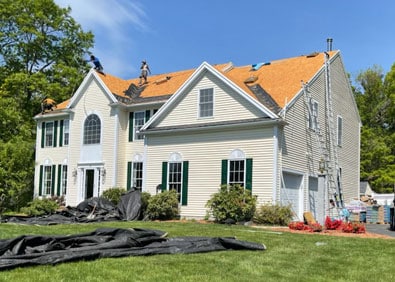
Roof Installations

Roof Replacements
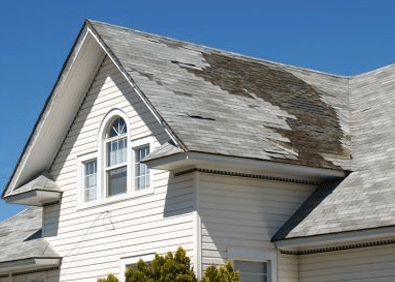
Roof Repairs