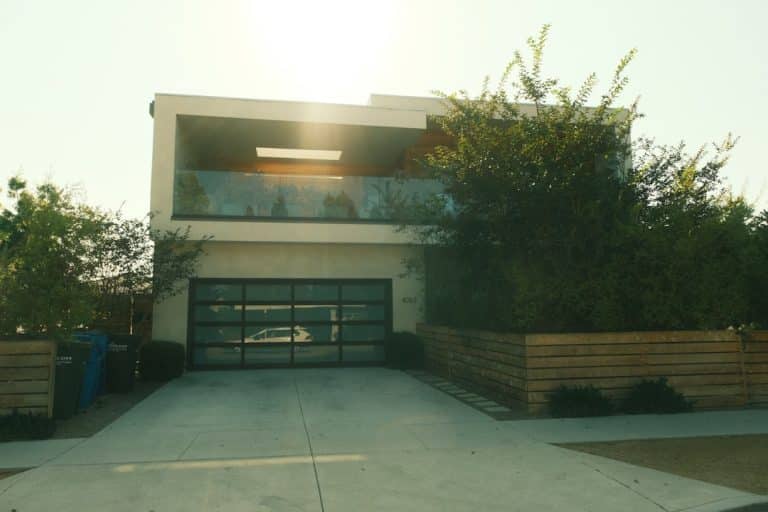

Metal fascia panels are protective metal covers installed along the lower edge of your roof, where the roofline meets the wall. They seal the gap between your roof and the soffit, support your gutters, and give your home a clean, finished look.
Here’s what you need to know at a glance:
Most homeowners don’t think much about fascia until something goes wrong — a sagging gutter, a water stain on the eaves, or rotted wood behind the trim. By then, the damage is already done.
The good news? Upgrading to metal fascia is one of the most cost-effective ways to prevent those problems before they start.
I’m Jason Hedtler, owner of Roof Experts LLC in Bellingham, MA, and over the years I’ve seen how the right metal fascia panels can make the difference between a roof that holds up for decades and one that fails at the edges first. Whether you’re dealing with storm damage or planning a full roof upgrade, this guide will walk you through everything you need to choose and protect your home’s roof edge the right way.

Quick look at metal fascia panels:
Your roof edge is constantly under attack. Between heavy New England snowstorms in Bellingham, MA, and humid summer downpours in Bridgewater and Bourne, the perimeter of your roof takes a beating.
To understand why metal fascia panels are so critical, it helps to distinguish between the primary options available:
Regardless of the type you select, metal fascia serves four essential roles:
For decades, wood was the default choice for fascia. While wood looks great initially, it requires regular painting, sealing, and scraping. If water gets behind your paint, wood will rot, warp, and invite pests like carpenter ants or squirrels to nest in your attic.
Vinyl fascia is another common option, but it has its own issues. New England’s extreme temperature swings cause vinyl to expand and contract rapidly, which often leads to cracking, buckling, or fading under harsh UV rays.
By contrast, choosing metal means choosing a permanent, low-maintenance solution. When you invest in a quality metal system—much like investing in a Metal Roof for Home Pros Cons and Types Explained—you get a system that resists rot, insect damage, and fire while maintaining its structural integrity for 50 years or more.
The shape of your fascia panel dictates both how it performs and how it looks. Modern roll-forming technology allows for several distinct panel profiles:

When selecting your metal fascia, the two primary materials are steel and aluminum.
Installing metal fascia panels requires precision. For a clean, professional finish, we recommend a concealed fastener system. These fasteners are hidden within the interlocking joints, keeping moisture away from screws and eliminating exposed heads.
Another industry best practice is using continuous lengths. While standard retail trims are sold in 8-foot or 10-foot pieces, premium commercial systems are manufactured in 12-foot lengths or custom-formed up to 40 feet. Using 12-foot lengths can result in a 20 to 40 percent savings in material handling and labor costs, while significantly reducing visible seams along your roofline.
Additionally, using factory-fabricated accessories—such as pre-formed corner miters, scuppers, and drainage components—ensures a watertight fit and eliminates the mistakes that happen when trying to bend metal by hand on a windy job site.
The edge of your roof is the most vulnerable area during a high-wind event. If wind gets under your fascia, it can peel back your entire roof membrane. That is why high-quality metal fascia systems are rigorously tested.
Look for systems that meet the ANSI/SPRI ES-1 standard for wind uplift resistance on roof edge systems. Many commercial-grade options (such as EdgeShield systems) are FM Approved and utilize a two-piece design anchored with a heavy 20-gauge continuous cleat. This continuous cleat secures the roofing membrane without requiring fasteners to penetrate the roof surface, keeping your roof completely watertight.
The cost of upgrading to metal fascia depends on the profile, material, and design complexity of your home.
| Type of Metal Fascia | Material Cost (per linear foot) | Best For |
|---|---|---|
| Metal Fascia Trim | $2.00 – $3.00 | Budget-friendly wood wrapping |
| Standard Metal Fascia Panels | $3.00 – $5.00 | Modern residential and commercial upgrades |
| Custom Fascia Panels | Varies by design | Historical homes and complex architectural shapes |
Note: These estimates cover material costs. Total project pricing will depend on labor, height of the roof, and local market conditions. You can get a closer look at your overall project expenses by using our The Metal Roof Cost Calculator Unveiling Your Projects Price Tag.
Your fascia must integrate seamlessly with your soffit (the panel underneath the eave) and your gutter system.
When we install a complete roof edge system, we ensure that:
Are you ready to give your home’s roof edge the ultimate protection? If you are planning a project in Bellingham, MA, or any of our nearby service areas—from Attleboro and Dedham to Framingham and Bridgewater—our team at Roof Experts is here to help.
Check out our Metal Roof Installation Complete Guide to learn more about our process, or visit our main page for More info about roofing materials to find the perfect style for your home today!
Roof Installations
Roof Replacements
Roof Repairs