Choosing the right flat roof material is one of the most important decisions you’ll make as a homeowner. The wrong choice can mean leaks, costly repairs, and a roof that fails well before its time.
Here’s a quick summary of the most common flat roof materials:
| Material | Lifespan | Cost (per sq ft) | Best For |
|---|---|---|---|
| EPDM (Rubber) | 30-50 years | $4-$13 | Cold climates, budget-conscious |
| TPO | 30-40 years | $4-$14 | Hot climates, energy efficiency |
| PVC | 30-40 years | $4-$7 | Chemical resistance, durability |
| Modified Bitumen | 15-20 years | $4-$8 | Budget installs, easy repairs |
| Built-Up Roofing (BUR) | 20-30 years | $4-$10 | Multi-layer waterproofing |
| Standing Seam Metal | 50-60 years | $4-$30 | Maximum longevity, premium look |
One thing surprises most homeowners: flat roofs aren’t actually flat. They have a slight pitch — typically between 1/4 and 1/2 inch per foot — to move water toward drains. Without that slope, water pools on the surface and causes serious damage over time.
The average flat roof lasts about 20 years, but the right material — installed correctly — can push that well past 30 or even 50 years.
I’m Jason Hedtler, owner of Roof Experts LLC in Bellingham, MA, and I’ve spent years helping Massachusetts homeowners navigate every type of flat roof material available. In this guide, I’ll walk you through what actually works in our climate — and what to avoid.

Flat roof material terminology:

When we talk about flat roof material, the field has evolved rapidly. Today, high-tech membranes and sustainable metals withstand the brutal freeze-thaw cycles common in Norfolk and Plymouth Counties.
The average cost of flat roof replacement typically ranges between $4,000 and $19,000, depending on square footage and material. While price is a factor, the “cheapest” material often ends up being the most expensive when factoring in repairs and early failure.
Modern options generally fall into two categories: single-ply membranes and multi-layer traditional systems. Single-ply membranes like EPDM, TPO, and PVC are installed as thin, flexible sheets (usually 0.030 to 0.060 inches thick). These are the industry standard because they offer a balance of weight, cost, and water-tightness.
According to the EPDM Roofing Association, EPDM: A Roof System for Every Climate, EPDM roofs can last 30 to 50 years. This longevity makes them a powerhouse for residential flat roofs. However, for maximum energy efficiency, reflective “cool roofs” like TPO are gaining ground.
EPDM (Ethylene Propylene Diene Monomer) EPDM is a synthetic rubber and the “Old Reliable” of the roofing world. We recommend it for Massachusetts homes because black EPDM absorbs heat during winter, helping melt snow faster. It stays pliable down to -40°F and boasts a 465% elongation rate, meaning it can stretch as your house settles without cracking.
TPO (Thermoplastic Polyolefin) TPO is a white, reflective blend of rubber and plastic polymers. By reflecting UV rays, TPO can reduce cooling energy use by 10-30% during humid summer months. However, as noted in the industry report TPOS—Commodity or specialty?, quality varies between manufacturers, so it’s crucial to use a brand with a proven track record.
PVC (Polyvinyl Chloride) PVC is a premium choice, exceptionally strong and resistant to chemicals, grease, and fire. Studies show PVC roofs can retain 97% of their original tensile strength after a decade. Because the seams are heat-welded, they become one monolithic piece, making leaks almost impossible. While PVC has a higher upfront cost than EPDM, as seen in the flat-roof-installation-price-complete-guide, its durability justifies the investment.
Built-Up Roofing (BUR) involves multiple layers of asphalt-soaked felt topped with gravel. A typical 4-ply BUR can last 20-30 years.
Modified Bitumen Modified Bitumen is the modern evolution of BUR. It’s an asphalt-based flat roof material modified with SBS (Styrene-Butadiene-Styrene) for elasticity or APP (Atactic Polypropylene) for UV resistance.
In Ashland and Holliston, Modified Bitumen is often a budget-friendly hero. It can be applied using self-adhering methods, cold-applied adhesives, or heat-welding. We advise against torch-applied systems for residential wood-frame homes due to fire risk. For a deep dive, check our flat-roof-replacement-complete-guide.
Standing seam metal systems with concealed fasteners can be used on flat surfaces. Metal is an Eco-friendly roofing option because it is 100% recyclable.
A standing seam metal roof can last 60 years. While it is the most expensive flat roof material, it offers a sleek aesthetic popular in Wellesley and Natick and is perfect for solar panel integration. Our guide on designing-your-dream-flat-roof-a-comprehensive-overview can help you decide if this “forever roof” fits your budget.
Massachusetts weather requires a flat roof material that can survive heavy snow, torrential rain, and baking sun. One common mistake is ignoring “thermal shock,” where a roof drops from 140°F to 60°F during a sudden storm. This rapid contraction can cause inferior materials to crack, which is why we prioritize materials with high elongation rates.
If you notice issues, how-to-fix-a-leaking-flat-roof often starts with identifying whether the problem is the material itself or a failure in the flashing around vents.
Massachusetts is a “mixed” climate, making material choice tricky.
For humid areas like Marion or Wareham, we recommend a “warm roof” design where insulation is placed above the deck to keep the structure dry. Our flat-roofing-service team can assess your ventilation to ensure your new roof doesn’t trap moisture.
Even the best flat roof material requires care. While the average lifespan is 20 years, proper maintenance can push that to 35+.
1. Fight Ponding Water “Ponding” is water that stands for more than 48 hours. It adds immense weight and accelerates membrane degradation. If water remains two days after a storm, you have a drainage problem.
2. Bi-Annual Inspections We recommend professional inspections every spring and fall to look for:
For a preliminary check, follow this inspecting a flat roof guide, but always call a professional for a full inspection.
At Roof Experts, we’ve spent over 20 years perfecting flat roofing in Bellingham, MA. Whether you’re in Stoughton, Taunton, or Foxboro, you need a contractor who understands the physics of slope, drainage, and insulation.
We pride ourselves on workmanship and education rather than high-pressure sales. If you’re ready to start, our flat-roof-contractors-ultimate-guide explains what to look for in a local pro.
Whether you choose EPDM, TPO, or standing seam metal, professional installation is the key. A flat roof material is only as good as the seams that hold it together. Give us a call at Roof Experts today to pick the perfect material for your home.
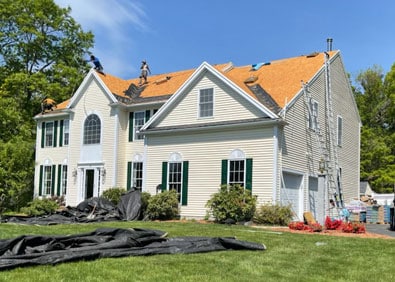
Roof Installations
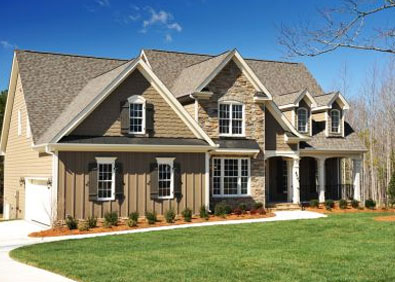
Roof Replacements
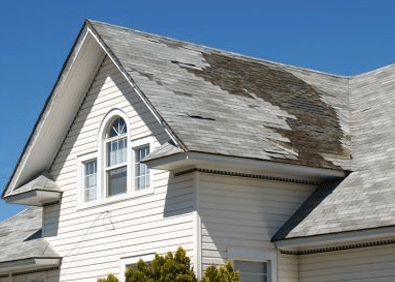
Roof Repairs