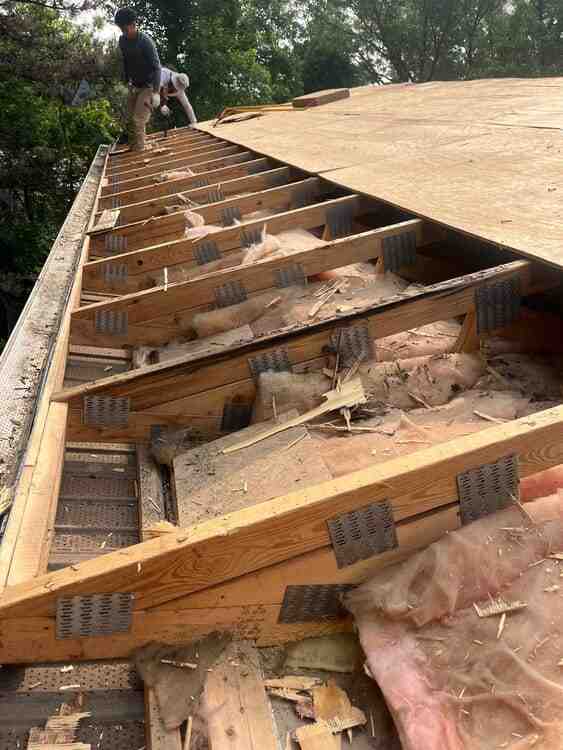

Roof sheathing repair is critical when water damage or rot threatens your roof’s foundational layer. Signs like soft spots on the roof, a sagging ceiling, or a musty attic smell mean you need immediate attention. A typical repair involves:
Every year, one in fifty homes files an insurance claim for water damage, much of which starts with bad sheathing. Think of sheathing as your roof’s foundation; you can’t expect shingles to protect your home if the wood underneath is rotting.
Catching problems early makes repairs manageable. Waiting can turn a simple patch into a full roof replacement. I’m Jason Hedtler, owner of Roof Experts LLC. With years of hands-on roof sheathing repair experience in Massachusetts, I know that educating homeowners about this critical component saves money and stress.

Your roof is more than just shingles. The roof sheathing, or decking, is the wooden backbone of your entire roofing system. It’s the layer over your rafters that serves as a crucial base for all other materials, from underlayment to shingles.
The purpose of sheathing is vital. It provides a flat, continuous surface for shingle installation and plays a key structural role by distributing weight (from materials, snow, and wind) across the roof frame. It also provides a secure nailing surface for shingles, preventing them from loosening or blowing off. Without a solid base, your roof’s protective layers are compromised. A sound sheathing can last 20 to 40 years, but its longevity depends on proper installation and protection from moisture.
Historically, homes used plank sheathing (wooden boards), which often needs replacement or overlaying with modern sheet materials to comply with shingle manufacturer warranties. Today, most roofs use sheet sheathing, primarily plywood or Oriented Strand Board (OSB).
| Feature | Plywood | Oriented Strand Board (OSB) | Plank Sheathing (Historical) |
|---|---|---|---|
| Composition | Thin wood veneers glued in alternating grains | Wood strands/flakes compressed with adhesives | Solid wood planks (e.g., 1×6, 1×8) |
| Moisture Resistance | Generally more durable and moisture-resistant; less likely to swell when wet | More susceptible to swelling and delamination if exposed to prolonged moisture | Can warp or rot if exposed to moisture; gaps can allow moisture through |
| Durability | Strong, stable, good nail-holding power | Strong, consistent, but can be brittle at edges | Varies with wood type and age; can be brittle or have large gaps |
| Cost (Material) | $0.50 to $2.00 per sq ft ($9 to $83 per sheet) | $0.50 to $1.50 per sq ft ($9 to $60 per sheet) | Varies greatly if new planks are sourced; often replaced with sheet materials |
| Thicknesses | ⅜”, ½”, ⅝”, ¾” | Typically 7/16” (most common), also ½”, ⅝” | Varies (e.g., 1 inch nominal thickness) |
| Popularity | Still widely used, especially where moisture is a concern | Most popular choice for sheathing today due to affordability and consistency | Mostly found in older homes, often replaced or overlaid during re-roofing |
While plywood offers slightly better moisture resistance, OSB is popular for its affordability. Both are sound options if installed correctly and at the proper thickness (½ inch is generally recommended). The 2018 International Residential Code (IRC) requires that asphalt shingles have “solidly sheathed decks,” underscoring the importance of this layer.
Since sheathing is hidden, you need to look for indirect signs of trouble. Homeowners in Bellingham, MA, and across Norfolk and Plymouth County should watch for these indicators that it’s time for a professional roof sheathing repair.

Finding damaged sheathing doesn’t always mean you need a full roof replacement. In many cases, a targeted roof sheathing repair can restore your roof’s foundation and extend its life for decades.
Your roof sheathing must stay dry and solid to function. Several common issues can compromise this critical layer:
While we recommend professional help for safety and best results, understanding the roof sheathing repair process helps you make informed decisions.
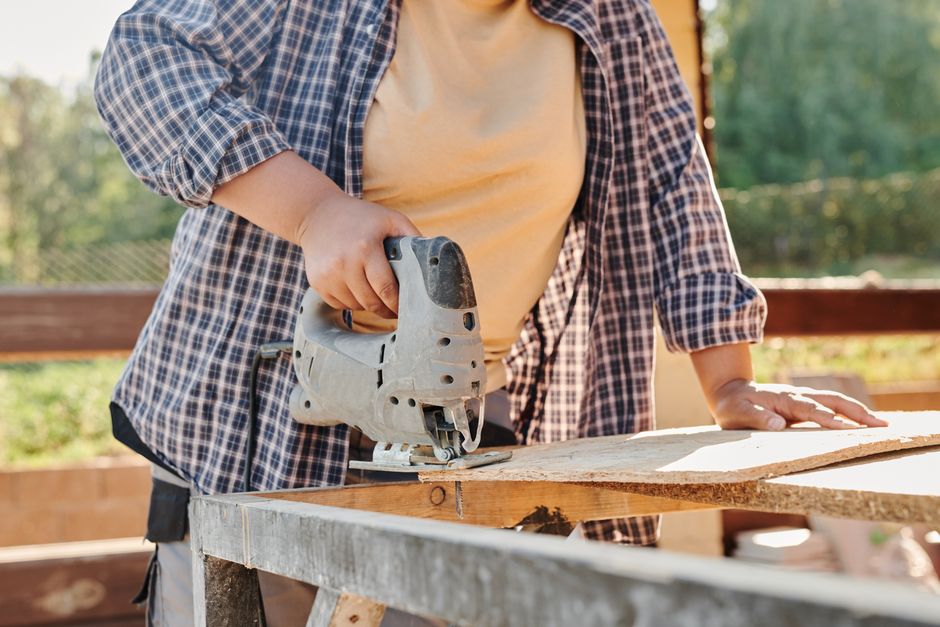
1. Safety and Preparation: Safety is paramount. Working on a roof requires a harness, ropes, non-slip footwear, and safety glasses. Essential tools include a pry bar, circular saw, hammer, and tape measure.
2. Remove Damaged Shingles: Carefully lift and remove shingles around the damaged area, extending well beyond the visible damage to create a clear workspace.
3. Cut Out Damaged Wood: Mark a rectangular area around the compromised wood, ensuring the cut lines are centered on solid rafters. Set your circular saw to the sheathing’s thickness and carefully cut out the damaged section.
4. Install New Sheathing: Cut a new panel of plywood or OSB to fit the opening precisely. The new material must match the original thickness. Secure the panel to the rafters with roofing nails every 6 inches along the edges and every 12 inches in the field. Use H-clips between panels for proper expansion.
5. Install Ice and Water Shield: This self-adhering underlayment is critical for preventing future leaks. It should overlap the existing underlayment on all sides to create a watertight seal.
6. Replace Shingles: Install new shingles, starting from the bottom and aligning them with the existing courses. Secure each shingle with the proper number of nails and apply roofing sealant under the tabs to ensure a good bond.
If damage is extensive, a complete re-decking during a roof replacement may be more practical. This ensures a uniform, structurally sound foundation for your new roof. The key to any successful repair is also addressing the root cause, whether it’s poor ventilation or faulty flashing.
When faced with roof sheathing repair, homeowners naturally have questions about cost, regulations, and when to call for help. Here’s a simple breakdown based on our experience at Roof Experts.
The cost of roof sheathing repair depends on the extent of the damage. Here’s what you can expect:

Insurance may cover damage from a storm but likely won’t cover issues from neglect. Always get multiple quotes and ask for a cost per square foot to prevent surprises once the roof is opened up.
Prevention is always cheaper than repair. Homeowners who catch problems early save the most money.
Ignoring damaged sheathing allows rot to spread, potentially leading to widespread structural damage and mold growth. While a small, easily accessible patch might be a DIY job, most situations require a professional.
At Roof Experts, we’ve spent over two decades diagnosing sheathing problems in Bellingham and the surrounding areas. We can quickly assess whether you need a simple repair or more extensive work and, most importantly, identify the root cause to prevent it from happening again.
Don’t let damaged sheathing become a major headache. If you suspect a problem, give us a call for a thorough assessment and straightforward advice.
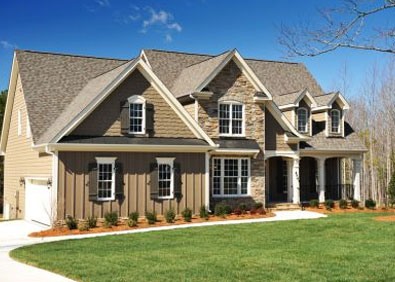
Roof Installations
Roof Replacements
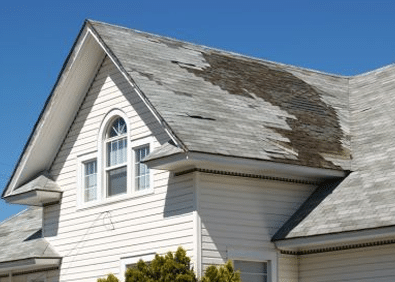
Roof Repairs