Roof replacement decisions should move from condition and scope to product selection, logistics, concealed-condition rules, installation checks, and documented closeout. Choices that affect code, compatibility, lead time, ventilation, flashing, or warranty belong before ordering—not in a driveway conversation after tear-off begins.
Document roof sections, age/repair history, leaks, ventilation, attic conditions, penetrations, drainage, access, and visible substrate concerns. The outcome should be a condition-based recommendation and a list of areas that could not be evaluated, not a material color.
| Stage | Decisions to complete | Required record |
|---|---|---|
| Estimate / inspection | Repair vs replacement, roof sections, system scope, known constraints | Findings, photographs, exclusions |
| Proposal | Tear-off, underlayment, flashing, ventilation, penetrations, decking rule | Written scope, allowances, warranty, payment schedule |
| Ordering | Manufacturer/system, color, accessories, substitutions, quantities | Approved selection and availability |
| Preconstruction | Permit, delivery, access, weather, occupants, protection, communication | Start plan and contacts |
| Closeout | Punch list, inspection, cleanup, warranty, maintenance | Final documents and photos |
Confirm how many layers will be removed, what happens to flashing and penetrations, how decking replacement is approved/priced, how intake and exhaust ventilation are addressed, which accessories are included, and who handles permits and inspections. A lower total may represent a different scope rather than a better price.
Select the roofing system, color, ventilation components, underlayment, edge metal, and compatible accessories. Record whether substitutions require written approval. Ask which warranty applies to materials and workmanship and what registration or maintenance is required.

Set delivery, dumpster, ladder, vehicle, pet, attic, landscape, and neighbor arrangements. Agree on the contractor contact and how weather delays are communicated. Establish a written rule for concealed decking or flashing conditions: evidence, price basis, authorization threshold, and what happens if the owner cannot be reached.
During work, true concealed conditions may require a change. Product color, basic ventilation approach, penetrations, warranty level, and known scope should not still be open. The contractor should document significant changes and preserve the manufacturer’s system requirements.
Massachusetts publishes current roof-assembly code materials; local officials determine permit and inspection application. The contract should name responsibility rather than promising that a permit “probably” is not needed.
Before ordering, after viewing current physical samples in relevant light and confirming availability and accessory coordination.
Visible evidence and attic access may support an allowance, but some damage is confirmed only after tear-off. The approval and pricing rule must be settled earlier.
The contractor and local building department determine requirements; required permits should be in place before covered work begins.
Roof Experts’ roof replacement and roof installation services help Bellingham-area homeowners move through these decisions in the right order.
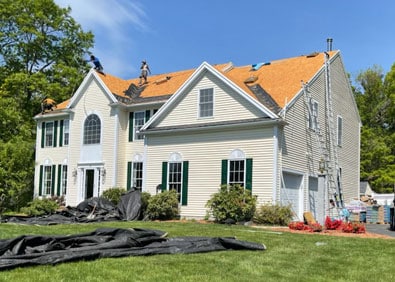
Roof Installations
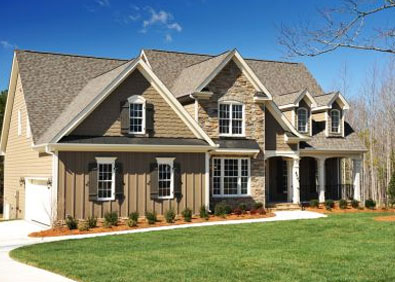
Roof Replacements
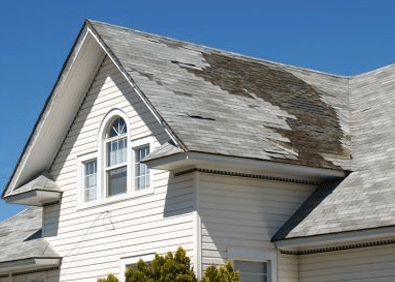
Roof Repairs