
When you find water dripping from your ceiling, knowing a quick roof leak fix can save your home from thousands of dollars in damage. Here are the fastest temporary solutions you can apply right now:
Immediate Actions:
Remember: These are temporary fixes only. Professional repair is always required for long-term protection.
Roof leaks always seem to happen at the worst times. Acting fast is key to preventing water damage, mold growth, and structural issues.
Mold and mildew can start growing within just 24 to 48 hours of a roof leak, making immediate action critical for your family’s health and your home’s safety.
I’m Jason Hedtler, owner of Roof Experts LLC in Bellingham, MA. With years of experience helping Massachusetts homeowners with emergency roof situations, I know that the right quick roof leak fix can mean the difference between a minor repair and major home damage.

When you spot a roof leak, stay calm and act quickly to minimize the mess. Taking a few quick roof leak fix steps right away can prevent a small drip from becoming a major problem.
Place buckets, bowls, or trash cans directly under the leak to catch the water. To prevent splashing from an active drip, place an old towel in the bottom of the bucket. Protect nearby furniture, rugs, and floors with plastic sheeting or tarps, as water can quickly damage walls, furniture, and structural elements.
If you see the ceiling bulging, water is pooling and creating pressure that could cause a collapse. To handle this safely, place a large bucket directly underneath the bulge. Then, carefully use a screwdriver to puncture the center of the bulge. This allows the water to drain in a controlled manner, preventing a much larger mess and potential injury.
Once the immediate situation is controlled, document everything for your insurance claim. Use your phone to take clear photos and videos of the leak, water stains on ceilings and walls, and any damaged furniture or belongings. If you can safely see the leak’s source on the roof from the ground, photograph that as well. This visual evidence is crucial for your claim.
Mold can begin to grow within just 24 to 48 hours of water exposure. To prevent this, promote air circulation in the damp area with fans once the active leak is contained. Soaked attic insulation is a prime breeding ground for mold and may need to be removed. Acting quickly helps protect your family’s health. For more information, consult the U.S. Environmental Protection Agency (EPA)’s resources here: Mold can grow in 24-48 hours.
Phew! Taking these immediate quick roof leak fix steps can really limit the damage while you get ready for a proper, lasting repair. Want to know more about what a leaky roof can do? You can find More info about Leaking Roof damage right here.
Finding a roof leak’s origin can be challenging, as water often travels from its entry point before becoming visible inside. The key to any quick roof leak fix is correctly identifying the source to ensure you’re not just patching a symptom.

The source of a leak is almost always higher up on the roof than where the interior water stain appears. Water travels along roof structures due to gravity before dripping through the ceiling. When you find a stain, begin your search several feet uphill from that point in the attic or on the roof. The entry point could be several yards away from the visible damage.
If you can safely access your attic, it’s the best place to find the leak’s source. Look for water spots or dark stains on the underside of the roof decking, which appear as streaks or discolored patches. Soaked or matted insulation is another clear indicator. Also, look for “shiners”—roofing nails that missed the joists during installation. In cold weather, moisture can condense on these nails and drip, mimicking a leak.
After your indoor inspection, check the roof’s exterior. Exercise extreme caution if you get on your roof; we recommend calling a professional for this step. Common culprits include damaged or missing shingles, and cracked flashing around chimneys, skylights, and valleys. Also inspect vent boots (the seals around plumbing vents), which can become brittle and crack. Skylights often leak around their flashing or seals. For hard-to-find leaks, a garden hose test can be effective: have one person on the roof soak small sections at a time (starting low and moving up), while another person inside watches for drips to appear.
For more detailed guidance on tracking down these sneaky leaks, check out More info about How to Detect Roof Leaks.
When facing an active roof leak, a quick roof leak fix is a temporary, stop-gap measure to prevent further damage. These methods buy you time until a professional from Roof Experts can provide a permanent solution. Remember to prioritize safety before attempting any roof work.

Here are five temporary methods you can use:
A heavy-duty tarp is one of the most common and reliable temporary fixes for a major leak. You’ll need a heavy-duty waterproof tarp (larger than the leak area), two 2×4 boards, and roofing nails or screws.
Here’s how to do it:
For smaller cracks or holes, roofing cement or a “wet patch” sealant is an effective quick roof leak fix. Many products can be applied in wet conditions. You’ll need roofing cement or roof sealant, a caulk gun, a putty knife, and rags.
Here are the steps:
For more information on sealants, check out More info about Roof Leak Sealant.
Peel-and-stick roofing tape (or flashing tape) is a convenient quick roof leak fix for small punctures or loose seams. You’ll need peel-and-stick roofing tape, a utility knife, and a clean cloth.
Here’s how to use it:
If the leak is from a single damaged shingle, replacing it can stop the water. This method requires more comfort working on the roof. You’ll need a pry bar, a hammer, roofing nails, and a replacement shingle.
Follow these steps:
Heavy-duty plastic sheeting is another effective quick roof leak fix for creating a temporary waterproof barrier over larger areas. You’ll need heavy-duty (at least 4-mil thick) polyethylene plastic sheeting, roofing nails or staples, a hammer or staple gun, and optional wood strips.
Here’s how to apply it:
I can’t stress this enough: working on a roof can be extremely dangerous. Your safety, and the safety of anyone helping you, must be your absolute top priority. While a quick roof leak fix is urgent, rushing into unsafe conditions can lead to serious injury or worse.
Let me be blunt – I’ve seen too many homeowners get hurt trying to fix a leak in dangerous conditions. The leak will still be there tomorrow, but you might not be if you take unnecessary risks.
Never work on a wet, icy, snowy, or extremely windy roof. This is non-negotiable. A dry, clear day with minimal wind is ideal for any roof work. If it’s raining or storming, focus on containing the water inside your home and wait for safer conditions before attempting any exterior repairs. Trust me, the few hours you wait could save your life.
Proper footwear is absolutely critical. Always wear soft-soled shoes or boots with excellent grip. Hard-soled shoes are like ice skates on shingles – they’ll slip easily and can actually damage your roof further. I recommend rubber-soled work boots or even clean sneakers with good tread.
Ladder safety deserves special attention because this is where most accidents happen. Make sure your ladder is sturdy and placed on firm, level ground. Extend the ladder at least three feet above the roofline so you have something to hold onto when stepping on and off the roof. Follow the 4-to-1 rule: for every four feet of ladder height, the base should be one foot away from the wall.
Always have someone hold the base of the ladder for stability. This person isn’t just there for support – they’re your lifeline and can call for help if something goes wrong.
Never work on the roof alone, especially during an emergency. Your helper can pass you materials, spot potential hazards you might miss, and most importantly, get help immediately if an accident occurs. Even experienced roofers like myself always work with a partner when possible.
Be extremely aware of power lines near your home. Maintain a safe distance from any overhead wires and never touch them with your body or tools. Electricity and wet conditions are a deadly combination.
Don’t overextend yourself or lean too far to reach something. It’s much safer to climb down and reposition your ladder than to stretch beyond your balance point. And here’s the most important advice I can give you: know your limits. If the roof is too steep, too high, or you feel uncomfortable at any point, don’t attempt the repair.
Professional roofers come equipped with fall restraint systems and have years of experience working safely in challenging conditions. Your home is important, but your well-being is priceless. Sometimes the smartest quick roof leak fix is calling someone who can do it safely.
I’ll be honest with you – that quick roof leak fix you just applied is like putting a band-aid on a deep cut. It’ll stop the bleeding for now, but it’s not going to heal the wound. These temporary solutions are lifesavers in an emergency, but they’re designed to buy you time, not solve your problem permanently.
Here’s the thing about temporary patches – they’re fighting a losing battle against Mother Nature. Every day they’re up there, the elements are working against them.
UV rays are particularly brutal on temporary materials. That roofing cement or tape that looked so promising when you first applied it? The sun’s ultraviolet light breaks it down day by day, causing it to crack, dry out, and eventually fail. We’ve seen sealant on exposed fasteners that needs checking and reapplying every three to five years just because of UV damage.
Weather exposure takes its toll too. Wind can grab the edge of a tarp and tear it right off your roof. Heavy rain can wash away temporary sealants like they were never there. And those temperature swings we get here in Massachusetts? They make materials expand and contract, which creates new cracks and gaps.
There’s also the issue of material compatibility. Not every temporary fix works well with every type of roofing material. Sometimes, what seems like a good quick fix can actually make the problem worse in the long run.
I’ve seen too many homeowners think their temporary fix solved the problem, only to find months later that water has been quietly doing damage behind the scenes. The risks of putting off a permanent repair are serious.
Structural rot is the big scary one. Water doesn’t just sit on the surface – it soaks into your roof decking, rafters, and other structural components. Over time, this weakens the very bones of your roof. I’ve seen roofs that needed complete replacement because what started as a small leak turned into widespread structural damage.
Your insulation takes a beating too. Once insulation gets wet, it loses its ability to keep your home comfortable. Your energy bills go up, and you’ll eventually need to replace all that soggy insulation – which isn’t cheap.
Mold growth is another serious concern. Remember how we talked about mold starting in 24-48 hours? Well, it doesn’t stop there. Prolonged moisture creates the perfect environment for mold and wood-rotting fungi to thrive. This isn’t just about property damage – it’s about your family’s health.
Hidden damage is perhaps the most frustrating part. Water is sneaky. It can travel along roof decking and through walls, causing damage in places you can’t even see. Only a professional inspection can reveal the full extent of what’s happening inside your home’s structure.
The financial impact keeps growing too. What might cost a few hundred dollars to fix properly today could easily become a several-thousand-dollar problem if you wait. For a better understanding of what these repairs might cost, check out More info about the Cost to Fix Roof Leak.
Your temporary fix was a smart move, but there are clear signals that it’s time to call in the experts. Persistent leaks are the most obvious – if water is still getting in despite your best efforts, or if new leaks start popping up elsewhere.
Large damaged areas are beyond what any homeowner should tackle alone. If your leak has affected a significant portion of your roof or caused extensive interior damage, you need professional assessment and repair.
Sagging anywhere in your roofline is a red flag that demands immediate professional attention. This indicates structural damage that could be dangerous if not addressed quickly.
Multiple leak points often signal that your roof’s overall integrity is compromised. At that point, you’re not dealing with a simple repair – you might be looking at a roof that needs more comprehensive work.
If your roof is getting up there in years (typically 20-25 years for asphalt shingles), even small leaks can be a sign that it’s time to consider replacement rather than endless repairs. Sometimes the most economical solution is also the most permanent one.
Your temporary fix gave you breathing room, and that’s exactly what it was supposed to do. Now it’s time to get that permanent solution in place.
While knowing a quick roof leak fix is absolutely essential for every homeowner, it’s important to remember what these techniques really are – emergency first aid for your roof. Just like you wouldn’t rely on a band-aid to heal a deep cut that needs stitches, temporary roof fixes are meant to buy you precious time, not replace professional care.
Think of it this way: when your roof starts leaking, you’re dealing with more than just water coming through a hole. Temporary fixes buy time, but they can’t address the full scope of what’s happening up there. Water has a sneaky way of traveling along roof decking and through insulation, often causing damage in places you can’t even see from inside your home.
Permanent solutions require expertise that goes far beyond what any homeowner can reasonably handle. When our team at Roof Experts arrives at your home, we’re not just looking at the obvious leak. We’re conducting a thorough investigation to understand why the leak happened in the first place and what other issues might be brewing.
A professional assessment finds hidden damage that could turn into major problems down the road. We use specialized tools and our years of experience to trace water paths, check for compromised underlayment, examine flashing integrity, and assess whether your roof decking has been weakened. Sometimes what looks like a simple shingle problem is actually a sign that your roof’s entire system needs attention.
Here in Norfolk and Plymouth County, we’ve seen too many homeowners who thought their tarp or roofing cement would hold up through “just one more winter.” Unfortunately, New England weather doesn’t take requests for gentleness! Our harsh winters, with their freeze-thaw cycles, and our intense summer storms can quickly turn a small problem into a major headache.
At Roof Experts, we understand that roof emergencies don’t wait for convenient times. That’s why we’re equipped to handle everything from minor repairs to complete roof replacements, always with the same commitment to quality workmanship and fair pricing that we’ve maintained for over 20 years serving Bellingham and the surrounding communities.
Don’t let a temporary patch become a permanent worry. Once you’ve managed the immediate emergency with your quick roof leak fix, give us a call. We’ll ensure long-term protection for your home and give you the peace of mind that comes from knowing your roof is truly ready for whatever Mother Nature sends our way.
Your home is your biggest investment – protect it right. Schedule your professional Roof Repairs with Roof Experts today, and sleep soundly knowing your roof is in expert hands.
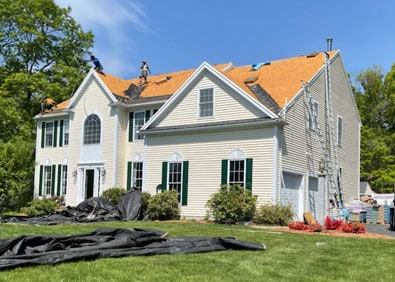
Roof Installations

Roof Replacements
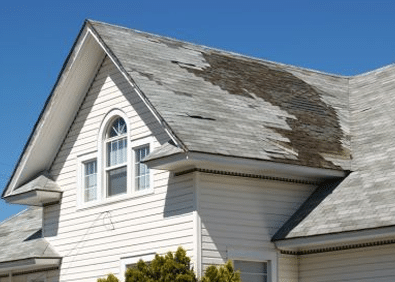
Roof Repairs