Metal roof decking prices vary significantly based on several key factors, but here’s what you can expect for material costs per square foot:
Quick Price Reference:
The final cost depends on metal type, gauge (thickness), panel profile, finish quality, and job size. Small projects under 500 square feet can cost double to triple the price of larger installations due to setup and delivery costs.
There are two types of “metal roof decking.” For homeowners, you’re likely looking at metal roofing panels – the finished roof surface. Commercial structural decking (like B-deck or N-deck) is the hidden structural layer that supports other roofing materials and typically costs $6-$13 per square foot depending on gauge.
Steel prices fluctuate rapidly in the commodity market, which means quotes are typically only valid for about 30 days. When steel prices rise, your project cost rises with them.
I’m Jason Hedtler, owner of Roof Experts LLC in Bellingham, Massachusetts. I’ve helped countless homeowners steer metal roof decking prices and make informed decisions. Understanding these cost factors upfront helps homeowners budget effectively and choose the right materials for their needs.

This section breaks down the primary variables that determine the material cost of your project before labor is even considered. Understanding these elements is crucial for homeowners looking to estimate their metal roof decking prices accurately.
One of the most significant factors influencing the cost of metal roof decking is the fluctuating market price of steel. Steel, like many other commodities, is subject to global supply and demand, energy costs, transportation expenses, and even geopolitical events. These factors can cause rapid and heavy price changes, sometimes in as little as a month. We’ve seen how quickly prices can shift, which is why quotes for metal decking materials are typically only valid for about 30 days.
This volatility means that if you receive a quote for your metal roof decking and then delay your project, the price you were initially given might no longer be accurate. We always advise our clients to act quickly on quotes they receive or be prepared to get a new one closer to their construction date. Hot Dipped Galvanized Steel, a common material for commercial metal decking, has seen steadily rising prices, directly impacting overall decking costs. When we plan your project, we factor in these potential fluctuations to help you budget as realistically as possible. For more information on your options, explore our roofing material options.
The gauge of the metal refers to its thickness, and it plays a critical role in both the cost and durability of your metal roof decking. It’s a bit counter-intuitive, but the smaller the gauge number, the thicker the steel. So, 24 gauge steel is thicker than 26 gauge, and 16 gauge is significantly thicker than 22 gauge.
Thicker gauges naturally require more material and are thus more expensive. For instance, 24 gauge steel can cost 25% to 40% more than 26 gauge steel. This difference in thickness directly translates to varying levels of strength, impact resistance, and load-bearing capacity.

For commercial structural decking, heavier gauges like 16-18 gauge offer superior load-bearing capacity and durability, often reducing the need for additional structural supports. However, they come at a higher initial cost.
For residential metal roofing panels, lighter gauges like 24 to 29 are common. While more cost-effective, thinner gauges are less resistant to hail or debris. The right gauge depends on your application, desired lifespan, and budget. We help clients in Norfolk and Plymouth County weigh these factors to find the best value. You can learn more about the benefits of metal roofing here: More info about metal roofing.
The aesthetic and functional characteristics of your metal roof are largely determined by its panel profile and fastener system. These choices also significantly impact the metal roof decking prices.
The most common panel profiles are:

The choice of fastener system, whether exposed or concealed, is a major cost differentiator. Exposed fastener panels, like many corrugated metal roofing options, are typically about half the price of standing seam metal roofing panels (which use concealed fasteners). While exposed fasteners are more budget-friendly initially, they can eventually lead to maintenance needs as the exposed screws and gaskets degrade over time. Concealed fastener systems, while more expensive upfront, offer a cleaner look and often greater longevity due to the protection of the fasteners.
Beyond the metal itself, the finish and paint system applied to your metal roof panels are crucial for both aesthetics and long-term durability. They also contribute to the overall metal roof decking prices. The two most common paint systems are Siliconized Modified Polyester (SMP) and Polyvinylidene Fluoride (PVDF), often referred to by brand names like Kynar.

In addition to paint, metal decking can also have galvanized finishes. These involve a zinc coating applied to the steel for corrosion protection. Common types include G-60 and G-90. G-90 provides a heavier zinc coating (0.9 oz per square foot compared to G-60’s 0.6 oz) and is more expensive. It’s often specified for projects in coastal areas or highly corrosive environments where maximum protection is needed, though it’s less common for standard residential applications in inland areas like Norfolk and Plymouth County. There’s also PTD (primer-painted metal decking), which is a provisional coating, usually gray, used for applications where the material won’t be exposed to the elements. It offers some cost savings, but it’s not a permanent finish.
Here we provide average material costs to help you budget. Prices are for materials only and can vary by region and supplier. These figures give you a good starting point for understanding metal roof decking prices based on material type.
As we mentioned in the introduction, the type of metal you choose will have a profound impact on the material cost. Here’s a breakdown of average material costs per square foot for various metal types, based on our research:
| Metal Type | Average Material Cost Per Square Foot |
|---|---|
| Steel (Galvalume/Galvanized) | $1.50 – $3.50 |
| Painted Steel | $2.00 – $4.00 |
| Aluminum | $3.50 – $6.50 |
| Copper | $13.00 – $25.00 |
| Zinc | $13.00 – $25.00 |

These numbers represent the cost of the raw material panels themselves. They do not include accessories, trim, fasteners, underlayment, or, crucially, installation labor. To get a comprehensive understanding of your project’s total cost, we encourage you to get a roofing estimate from us.
When we talk about metal roofing, steel is undoubtedly the most common and versatile material.
While materials like Corten Roofing exist as specialty options, for most residential projects in Norfolk and Plymouth County, we focus on the widely available and proven steel and aluminum options, which provide superior performance and value. The longevity of metal roofs, often lasting 40-70 years or more, makes them a wise long-term investment, regardless of the initial metal roof decking prices.
So far, we’ve talked a lot about the materials that make up your new metal roof. But here’s the thing: those shiny new panels don’t magically install themselves! The total price of your project includes much more than just the cost of the materials. Labor, the size of your project, and how complex your roof is are all huge factors that can dramatically influence your final metal roof decking prices. It’s not just about the material; it’s about the skilled work that goes into making your roof functional and beautiful for decades to come.
Like buying in bulk, larger roofing projects often have a lower per-square-foot cost. The initial setup costs—like team mobilization and equipment—get spread out over more square footage, reducing the per-unit price.
For small jobs (under 500 square feet), the price per square foot can be double or even triple that of a larger roof. This is because fixed costs for travel, safety setup, and material delivery are spread over a smaller area.
For large jobs (over 1,000 square feet), the per-square-foot price tends to stabilize as we can often get bulk material discounts and our crew can work more efficiently.
Beyond size, roof complexity also impacts cost. A steep roof pitch requires more specialized safety equipment and time. Features like hips, valleys, dormers, skylights, or chimneys demand intricate cutting, flashing, and sealing, which increases labor and material waste. Difficult access due to landscaping or tight angles can also add to the project time and cost.
These variables help us give you the most accurate estimate possible for your home in Bellingham, MA. Want a quick idea? You can always use our roof replacement cost calculator to get a preliminary sense of the investment.
When we provide a quote, it’s a complete package ensuring your roof is installed perfectly and built to last. A large portion covers labor costs for our experienced, licensed, and insured crew who follow the highest safety standards. Quality workmanship is a crucial investment.
Our quotes also typically include:
As your trusted professional roofing contractor in Bellingham, MA, specializing in new roof installations and replacements, we handle every aspect of the process. When you’re looking for local metal roofers in Norfolk and Plymouth County, look for a team like ours that details these costs transparently.
It’s completely understandable if you’ve been researching metal roof decking prices and found yourself a little confused! The term “metal roof decking” can actually refer to two very different things in construction. While both are made of metal, their purpose, how they look, and what they cost are quite distinct. Let’s clear up that confusion!
First, let’s talk about structural metal roof deck. This type of decking is almost exclusively used in commercial and industrial buildings. Think of big warehouses, schools, or office buildings. Its main job is to be the structural backbone of the roof system. It’s essentially the strong, metal “floor” that the rest of the roof materials sit on.
This heavy-duty metal deck is designed to transfer all the weight and forces – from snow and wind to the weight of the roof itself – down to the building’s main support beams. You’ll find common types like B Deck (often called “wide rib” deck), which is a very popular choice with its 1.5-inch deep pattern. There’s also N Deck, which has a deeper 3-inch rib, perfect for covering longer spaces in larger buildings. You might also hear about A Deck or F Deck, which are older styles, less common in new construction but sometimes used for repairs.
This structural decking is usually installed first and then completely covered up. You won’t see it once the roof is finished because it’s typically hidden under layers of insulation and a waterproof roof membrane. Because it needs to be super strong, structural decking uses much thicker metal, usually ranging from 16 to 22 gauge. If you want to dive deeper into these strong structural products, the Steel Deck Institute has a wealth of information.
Now, let’s talk about what most homeowners are looking for when they search for metal roof decking prices: residential metal roofing panels. These are the beautiful, finished panels that become the visible top layer of your home’s roof. They’re designed to protect your home from the weather, look fantastic, and even help with energy efficiency.
Unlike the heavy structural deck, these residential panels are much lighter, typically between 24 to 29 gauge. They are installed right over your home’s existing wood roof sheathing (that’s usually plywood or OSB), which provides the main structural support for your house’s roof. The metal panels then act as the primary shield against rain, snow, sun, and wind.
You might recognize the types of panels we’ve discussed before, like corrugated panels with their classic wavy look, or the very popular standing seam panels. Standing seam is a favorite for modern homes because of its clean, sleek lines and the way it hides the fasteners for a super clean finish.
Here at Roof Experts, our passion is installing these high-quality, durable residential metal roofing panels. We’ll help you choose the perfect system that not only protects your home for decades but also improves its curb appeal. We are your trusted metal roofing specialists in the Bellingham, MA area, ready to guide you through all your options.
We often get asked similar questions by homeowners considering metal roofing. It’s totally normal to have these on your mind! Here are some of the most common ones we hear, along with our expert answers to help you feel confident in your choices.
A metal roof’s longevity is a key advantage. It can last an incredible 40 to 70 years, or even longer! In comparison, a typical asphalt shingle roof usually provides about 15 to 30 years of service. This means a metal roof’s lifespan is two to three times longer, which is a huge part of its overall value. Even if the initial metal roof decking prices seem higher, it’s a smart, long-term investment that can save homeowners in Norfolk and Plymouth County significant money and hassle over the years.
Metal roofs generally have a higher initial material and installation cost than asphalt shingles. We’ve talked about how metal roof decking prices for materials alone can range from a few dollars to over $25 per square foot, depending on the metal type, before adding expert labor.
However, the initial cost isn’t the whole story. It’s important to consider the lifetime cost. A metal roof offers incredible durability, a 40-70+ year lifespan, and requires very little maintenance. Plus, many metal roofs are excellent at reflecting solar heat, which can help save on energy bills. When you add up fewer replacements, less upkeep, and potential utility savings, a metal roof often proves to be the more economical choice in the long run. We’re always happy to help you compare roofing material options to find what truly fits your budget and long-term plans.
While a thicker gauge is more durable, it isn’t always better. A lower number means thicker metal. For sheer durability and impact resistance, a thicker gauge (like 24 gauge) is stronger than a lighter one (like 26 or 29 gauge). A heavier 24 gauge steel panel, for example, will stand up better against hail, strong winds, and falling branches. For your main residential roof, where top-notch performance is needed, we often lean towards a thicker gauge.
However, the best choice depends on the application. If you’re roofing a shed, a detached garage, or an accent area where cost-effectiveness is a higher priority and impact risk is low, a lighter gauge might be sufficient and more budget-friendly. It’s about striking the right balance between toughness, longevity, and your specific project needs. We’ll walk you through the options to help you pick the absolute best gauge for your home in Bellingham, MA.
Understanding the factors influencing metal roof decking prices—from the fluctuating cost of steel to the gauge and finish you choose—is the first step toward a successful project. While we’ve given you a solid baseline with material costs per square foot, your home’s unique characteristics and the skilled labor involved will shape the final price.
That’s where we come in! For a precise and reliable quote that considers all these variables specifically for your home in Norfolk or Plymouth County, consulting with seasoned professionals is key. Here at Roof Experts, we’ve got over 20 years of experience under our belts. That means we deeply understand the ins and outs of metal roofing. We’re here to guide you through all your options, making sure you feel confident and informed every step of the way.
We pride ourselves on delivering high-quality workmanship, offering exceptional customer service, and ensuring competitive pricing. Our goal is always to provide superior value for homeowners like you in Bellingham, MA. Don’t leave your significant roofing investment to guesswork or surprises.
Let us provide you with a transparent and comprehensive quote that’s custom-custom to your specific needs. Ready to take the next step? Learn how much new roof decking costs for a house by contacting us today. We’re truly here to ensure the roof over your head isn’t just beautiful, but also a sound, lasting investment for your family.
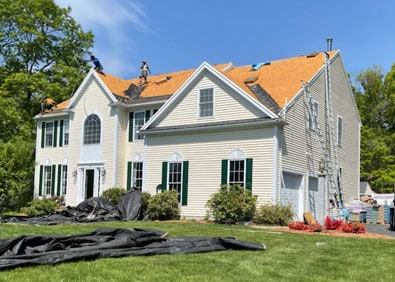
Roof Installations
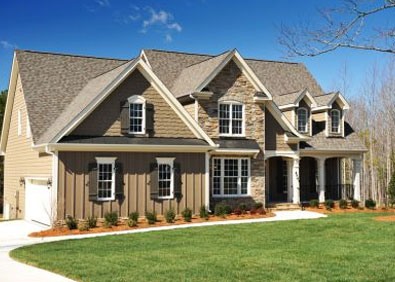
Roof Replacements
Roof Repairs