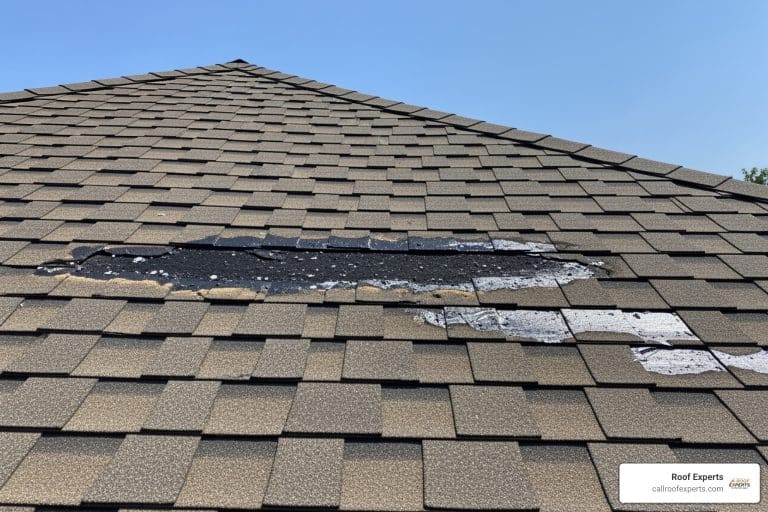

Hail damage roof issues affect thousands of Massachusetts homeowners every year. If you’re wondering what to look for after a storm, here are the key signs:
Quick Visual Checklist:
A solid roof can generally withstand a hailstorm—even large hail accompanied by high winds. But there are times when it cannot. With over 5,000 hailstorms recorded annually in the U.S. and hailstones falling at speeds up to 100 km/hour, even minor impacts can compromise your roof’s integrity over time.
The challenge? Hail damage isn’t always obvious from the ground. Unlike wind damage that tears off shingles, hail creates subtle bruising, cracks on the underside of materials, and granule loss that accelerates aging. What looks fine today can lead to leaks, mold growth, and structural issues months later.
Damage caused by hail totals about $1 billion per year across the country. In Massachusetts, where we experience our share of severe weather, knowing how to spot the signs early can save you thousands in repairs and prevent insurance claim headaches.
The good news is that identifying hail damage doesn’t require climbing onto your roof. From ground-level inspections to checking gutters for granule accumulation, there are safe ways to assess whether your home needs professional attention.
As Jason Hedtler, owner of Roof Experts LLC in Bellingham, MA, I’ve inspected countless roofs after severe storms and helped homeowners steer hail damage roof assessments and insurance claims. Over the years, I’ve learned that early detection and honest evaluation are the keys to protecting your home’s most important defense system.
This guide walks you through exactly what hail damage looks like on different roofing materials, how to distinguish it from normal wear, and what steps to take next.

Basic hail damage roof glossary:
Storm severity depends on hail size, wind speed, roof pitch, and nearby barriers like trees. Because hail falls at terminal velocities reaching 100 km/h, the impact is often directional. You might find the windward side of your home battered while the leeward side looks untouched.

Identifying damage requires understanding how materials react. According to GAF, immediate action prevents secondary issues like rot. A professional hail-damage-roof-inspection is the most reliable way to confirm damage. We use forensic techniques to spot “spatter marks” where hail has cleared oxidation or dirt from surfaces.
Asphalt shingles are common from Taunton to Framingham. On these roofs, damage is both visual and tactile.
According to Bob Vila, these issues cause “latent damage” where roofs fail prematurely. Scheduling roof-repairs promptly is essential.
As noted by Travelers Insurance, early identification is crucial for insurance claims.
Insurance adjusters look for wear-and-tear to deny claims. Knowing the difference is vital.
| Feature | Hail Damage | Shingle Blistering |
|---|---|---|
| Pattern | Random, directional | Uniform across the roof |
| Feel | Soft, bruised | Hard, brittle edges |
| Cause | Ice impact | Poor ventilation |
| Granule Loss | At impact site | As bubbles pop |
UV degradation and thermal shock cause cracking over decades, but hail damage is characterized by randomness and collateral damage. A professional roof-inspection provides the documentation needed for claims.
After spotting signs from the ground, document everything. Take photos of hailstones next to a tape measure or golf ball to establish size. Check gutters for granule accumulation—a clear sign of shingle damage. Also, look for collateral damage like dented AC units, siding dings, or cracked skylights. We offer free-roof-inspections in towns like Bridgewater and Milford to verify these findings.
Most policies cover hail as a “peril.” The process typically involves:
For leak concerns, see our guide on does-home-insurance-cover-roof-leaks.
Our hail-damage-roof-repair-complete-guide helps weigh these options. Ignoring bruised shingles can lead to expensive mold remediation later.
Water finds tiny fractures caused by hail. Through Massachusetts’ freeze-thaw cycles, these cracks expand, leading to:
Consider Class 4 impact-resistant shingles for replacements to withstand future storms and potentially lower insurance premiums. Whether you’re in Attleboro or Bellingham, our team brings 20 years of experience to every inspection. Contact a roofing-contractor you can trust today for a professional assessment of your hail damage roof concerns.
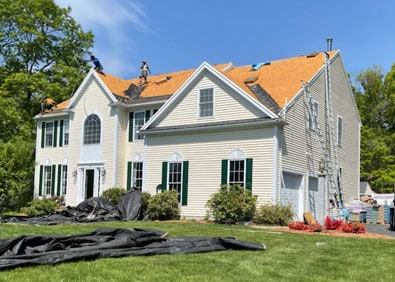
Roof Installations

Roof Replacements
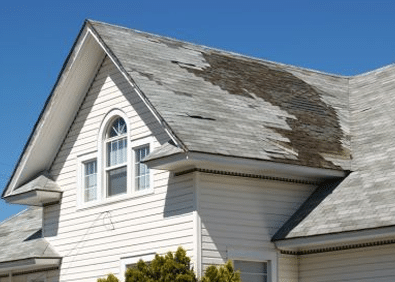
Roof Repairs