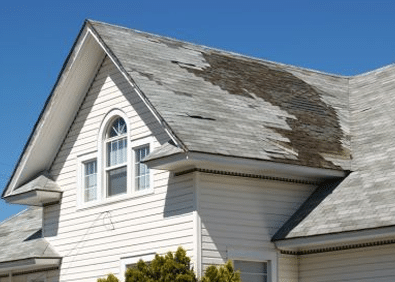
Ensuring the health of your roof is crucial for the safety and value of your home. Roofing inspection is a key component of regular home maintenance, and it helps in identifying potential problems before they escalate. If you’re seeking quick insights, here’s what to know about roofing inspections:
Why Schedule a Roofing Inspection?
– Identify potential issues early: Spot leaks, wear, and damage before they worsen.
– Extend roof lifespan: Regular checks can prolong your roof’s life.
– Maintain property value: A well-maintained roof adds value to your home.
– Ensure safety: Prevent accidents and costly repairs.
Roof inspections are relatively quick, often taking only one to two hours, and provide essential information about your roof’s condition.
For homeowners in Franklin and Bellingham, MA, Roof Experts stands as a reputable choice, offering comprehensive and professional roofing services. With over 20 years in the roofing industry, Roof Experts has established itself as a trusted name for quality workmanship and exceptional customer service. Whether it’s a new installation, a replacement, or critical repairs, their expert team ensures your roof remains in optimal condition.

A roofing inspection is a thorough examination of your roof’s condition. Think of it as a check-up for your roof, ensuring it can keep doing its job—protecting your home. Just like you maintain your car or HVAC system, your roof needs regular attention to catch any issues early and keep it in top shape.
There are three main types of roofing inspections: physical, drone, and infrared. Each offers unique benefits and suits different needs.
A physical roof inspection involves a professional climbing onto your roof to inspect it closely. This is the most traditional method and costs between $75 and $200 on average. The inspector will look for:
Physical inspections are ideal for most homes, as they allow for a detailed, hands-on assessment.
For roofs that are too steep or dangerous to walk on, a drone roof inspection is a great alternative. This method uses a camera-equipped drone to capture high-resolution images and videos of your roof. It typically costs between $150 and $400. Benefits include:
An infrared roof inspection uses thermal imaging to detect issues that aren’t visible to the naked eye. This type of inspection is the most thorough and costs between $400 and $600. Infrared technology can identify:
Infrared inspections are perfect for spotting issues early, before they become major problems.
Regardless of the type of inspection, a professional will examine several key components:
By understanding the different types of roofing inspections and what they entail, you can choose the best option to keep your roof in excellent condition. Regular inspections can save you from costly repairs and extend the life of your roof.
Annual Maintenance: Scheduling a roofing inspection annually is crucial for catching small issues before they turn into costly repairs. Regular check-ups can help you maintain the integrity of your roof and extend its lifespan.
Post-Storm: After a severe storm, have a professional inspect your roof. High winds, hail, and heavy rain can cause significant damage that isn’t always visible from the ground. Your insurance company might require an inspection to validate any claims for storm damage.
Before Buying/Selling: If you’re buying or selling a home, a roof inspection is a must. For buyers, it ensures you’re not inheriting hidden problems. Sellers can use a clean bill of health for their roof as a selling point, potentially increasing the property’s value.
Early Fall: Fall is an ideal time for a roofing inspection. The weather is usually mild, making it easier for inspectors to safely access your roof. Additionally, identifying and fixing issues before winter sets in can prevent problems caused by snow and ice.
Early Spring: Spring is another great time for an inspection. The harsh conditions of winter can take a toll on your roof. An inspection in early spring can catch and address any winter-related damage, ensuring your roof is ready for the warmer months.
Post-Severe Weather: After experiencing severe weather, such as a hurricane or a heavy snowstorm, an immediate inspection is advisable. These conditions can cause hidden damage that might worsen if not addressed promptly.
By scheduling regular inspections and being mindful of these optimal times, you can keep your roof in top shape and avoid unexpected expenses.

Conducting a roofing inspection can be done by professionals or as a DIY project. However, hiring a professional is often safer and more thorough. Professionals have the experience and tools to spot issues that might be missed during a DIY inspection.
Safety is paramount when inspecting a roof. Professionals use equipment like pivot ladders, harnesses, and moisture meters to ensure a comprehensive and safe inspection. For DIY inspections, always use a sturdy ladder and have someone assist you.
Visual checks are the first step in any roofing inspection. Walk around your home and look for obvious signs of damage from the ground. Use binoculars to get a closer look at hard-to-reach areas. Look for:
Inspectors will check the structural integrity of your roof. They’ll look at the decking and frame for any signs of sagging, rot, or spongy spots. The rafters and joists are also inspected to ensure they’re not cracking or splintering.
The condition of the roofing materials is crucial. Inspectors will look for:
Special attention is given to roof valleys, which are prone to leaks.
An interior inspection is just as important. Inspectors will look at the attic for signs of mold, water stains, and pest infestations. They’ll also check the ventilation system to ensure proper airflow, which is crucial for maintaining a consistent temperature and regulating humidity.
By understanding what roof inspectors look for, you can better appreciate the value of a professional inspection. Regular inspections can catch minor issues before they become major problems, saving you money in the long run.
When it comes to roofing inspections, the cost can vary significantly based on several factors. Let’s break down what you can expect to pay and what influences these prices.
On average, a roofing inspection costs around $225. However, prices can range from $75 to $900 depending on the type of inspection, the design of your roof, and the materials used. While some contractors offer free inspections, be cautious. Free services might lead to unnecessary or overpriced repairs.
Several factors can affect the cost of a roofing inspection:
A physical roof inspection is the most straightforward type. An inspector climbs onto the roof to examine its condition. This type of inspection typically costs between $75 and $200. It’s ideal for flat or slightly sloped roofs that are easy to access.
For roofs that are too steep or difficult to access, a drone inspection is a great alternative. Drones can capture detailed images and videos of your roof without the need for someone to climb up. This method usually costs between $150 and $400.
An infrared roof inspection uses thermal imaging to detect issues like small leaks and cracks that aren’t visible to the naked eye. This advanced method is the most expensive, ranging from $400 to $600. It’s particularly useful for spotting hidden problems.
By understanding these costs and considerations, you can make an informed decision about which type of inspection is right for your home. Regular inspections can help you catch issues early, potentially saving you thousands in repair costs down the line.
Next, we’ll answer some frequently asked questions to help you better understand the importance and logistics of roofing inspections.
According to the National Roofing Contractors Association, you should have your roof professionally inspected twice a year—once in the spring and once in the fall. This helps catch any damage from winter storms or summer heat. Additionally, it’s a good idea to inspect your roof after any severe weather events like heavy storms, hail, or high winds.
There are several signs that indicate you might need a roofing inspection:
Homeowner’s insurance generally covers roof damage if it occurs during a covered event like a hurricane or a windstorm. However, damage due to the roof’s age or lack of maintenance typically isn’t covered. Always check your policy details or speak with your insurance provider to understand what is and isn’t covered.
Next, we’ll wrap up with the value of regular inspections and how Roof Experts can help you maintain a healthy roof.
Regular roofing inspections are essential for maintaining the health and longevity of your roof. By scheduling inspections at least once a year, ideally in early fall or early spring, you can catch potential issues before they escalate into costly repairs. Regular inspections also provide peace of mind, knowing that your roof is in good condition and capable of protecting your home.
Roof Experts is here to assist homeowners in Massachusetts with all their roofing inspection needs. Our team of experienced professionals will provide a thorough assessment of your roof’s condition and offer honest recommendations for maintenance or repairs. We pride ourselves on delivering high-quality service and ensuring that your roof remains in optimal condition.
Don’t wait for a small issue to become a major problem. Contact Roof Experts today to schedule your roofing inspection and keep your home safe and secure.
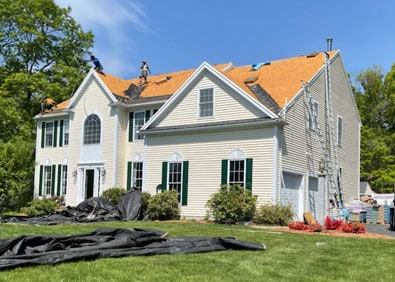
Roof Installations
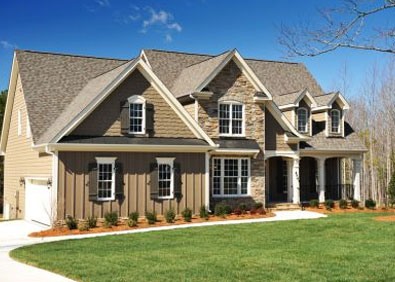
Roof Replacements
Roof Repairs