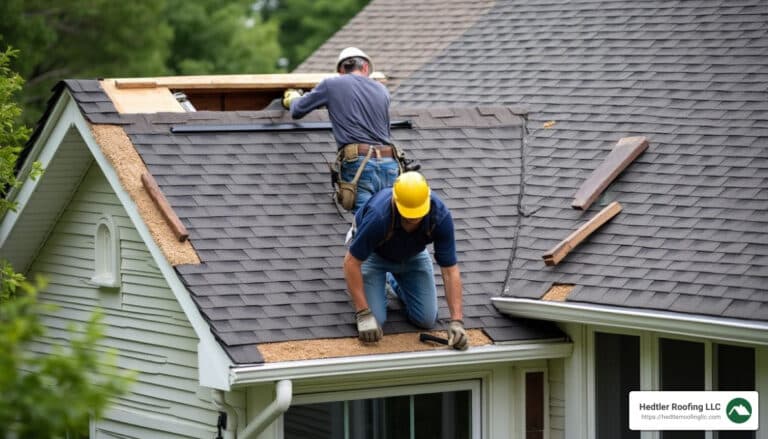

Roofing cost can be a significant part of home maintenance, especially in Massachusetts where weather patterns can be harsh. If you’re wondering what you might pay for a new roof, here’s a quick overview:
Roof replacement and installation involve several factors. From obtaining necessary permits to choosing the right shingles, everything impacts the final cost.
I’m Jason Hedtler, owner of Roof Experts, with years of experience in roofing cost assessments and installations. I’ve helped many homeowners in Franklin and Bellingham, MA, steer the complexities of roof replacements.

When it comes to roofing costs, one of the most crucial factors is the cost per square foot. On average, roof replacement costs between $4 and $40 per square foot. This wide range accounts for different materials and labor complexities.
In roofing terms, a “square” is a 10 ft by 10 ft area, or 100 square feet. So, when you see prices quoted per square, remember it’s for 100 square feet of roofing material. For example, if asphalt shingles cost $7 per square foot, that’s $700 per roofing square.
The size of your home significantly impacts the total roofing cost. Here’s a quick breakdown of average costs based on roof size:
Roof Size (in Square Feet) | Average Cost
—|1,000 | $7,000
1,500 | $10,500
2,000 | $14,000
2,500 | $17,500
3,000 | $21,000
These estimates include both materials and labor. Labor costs alone can range from $2 to $7 per square foot, depending on the complexity of the job and local labor rates.
Labor makes up a substantial portion of the overall roofing cost—typically around 60%. Labor rates can vary, but contractors in Massachusetts generally charge between $40 and $60 per hour.
For more complex jobs involving steep roofs or hard-to-access areas, expect labor costs to be on the higher end.
The remaining 40% of the roofing cost goes to materials. An itemized list will include:
Material costs can vary widely based on the type and quality of the chosen roofing material. For example, asphalt shingles are generally more affordable, while materials like slate or metal can be significantly more expensive.
In summary, understanding these various cost factors can help you prepare for your roof replacement and make informed decisions. Next, let’s dive into how different roofing materials affect the overall cost.
Asphalt shingles are the most common roofing material in the United States, and for good reason. They are highly affordable and come in a variety of colors and styles to fit any home.
Pros:
– Affordability: Ranges from $4 to $10 per square foot.
– Popularity: Widely used, making them easy to find and replace.
– Maintenance: Low-maintenance with easy repairs.
Cons:
– Durability: Shorter lifespan, around 20-25 years.
– Insulation: Less effective compared to other materials.
Cost: Typically $70 to $120 per roofing square (100 square feet).
Lifespan: 20 to 25 years with proper maintenance.
Metal roofing is known for its exceptional durability and energy efficiency. It comes in various types like aluminum, copper, and steel, each with unique benefits.
Pros:
– Durability: Can last up to 70 years.
– Energy Efficiency: Reflects solar heat, reducing cooling costs.
– Low Maintenance: Requires minimal upkeep.
Cons:
– Initial Cost: Higher upfront cost, ranging from $7 to $15 per square foot.
– Installation: Requires professional installation.
Types of Metal:
– Aluminum: Lightweight and rust-resistant.
– Copper: Long-lasting and develops an attractive patina.
– Steel: Highly durable, with options like galvanized or stainless steel.
Cost: Generally $700 to $1,500 per roofing square.
Lifespan: Up to 70 years.
Tile roofing includes clay, ceramic, and concrete tiles, known for their aesthetic appeal and longevity. These tiles are particularly popular in hot climates.
Pros:
– Rot Resistance: Excellent at resisting rot and mold.
– Energy Efficiency: Reflects heat, keeping homes cooler.
– Longevity: Can last 40 to 50 years.
Cons:
– Weight: Heavy, requiring additional roof reinforcement.
– Installation: Complex installation process, leading to higher labor costs.
Types of Tiles:
– Clay/Ceramic: Customizable but expensive.
– Concrete: More affordable and durable.
Cost: Starts around $300 to $500 per roofing square.
Lifespan: 40 to 50 years with proper maintenance.
Cedar shake roofing offers a natural, rustic look and is excellent for insulation. However, it requires more maintenance compared to other materials.
Pros:
– Aesthetic Appeal: Adds a natural, rustic look.
– Insulation: Good for colder climates.
– Wind Resistance: Effective against strong winds.
Cons:
– Maintenance: Needs regular upkeep to prevent pests and mold.
– Cost: Higher initial and maintenance costs.
Cost: Around $17.80 per square foot.
Lifespan: Up to 30 years with proper care.
Synthetic shingles mimic the look of natural materials like slate or wood but are made from engineered materials. They offer a balance between affordability and durability.
Pros:
– Cost-Effective: More affordable than natural materials.
– Durability: Resistant to cracking and shrinking.
– Lightweight: Easier to install without additional roof reinforcement.
Cons:
– Appearance: May not look as authentic as natural materials.
– Availability: Less common, making replacements harder to find.
Cost: Varies widely, but generally less expensive than natural counterparts.
Lifespan: Around 30-50 years, depending on the material.
By understanding the costs and benefits of each roofing material, you can make an informed decision that suits your budget and home needs. Whether you prioritize affordability, durability, or aesthetics, there’s a roofing material that fits your criteria.
The style and steepness of your roof significantly impact the overall roofing cost. Steeper roofs are more challenging and dangerous to work on, requiring extra safety measures and longer labor times. This can increase the cost of installation.
Types of Roof Styles:
– Gable Roof: Simple and cost-effective.
– Hip Roof: More complex, higher labor costs.
– Mansard Roof: Very steep, requires specialized labor.
Steepness Impact:
– Low-pitched Roofs: Easier to work on, lower labor costs.
– High-pitched Roofs: More complex and dangerous, higher labor costs.

Permitting and inspections are crucial for ensuring your roof replacement meets local building codes and regulations. These costs can add up, especially in areas with strict building codes like Massachusetts.
Building Permits:
– Cost: Typically ranges from $150 to $500 depending on your location and project complexity.
– Requirement: Necessary to avoid legal issues and ensure safety.
Inspection Costs:
– Initial Inspection: Identifies existing issues, costs between $100 and $300.
– Final Inspection: Ensures the new roof meets all standards, similar cost range.
Local Regulations:
– Historical Districts: Additional permits and approvals required, can delay the project.
– Environmental Codes: Compliance with local environmental regulations can add costs.
By accounting for these additional factors, you can better anticipate the total cost of your roof replacement project. Next, we’ll explore whether you should repair or replace your roof based on various factors.
Deciding whether to repair or replace your roof can be tricky. Let’s break down the key considerations to help you make the right choice.
If your roof has minor issues, repairs might be enough. Here are some common roof repairs and their average costs:

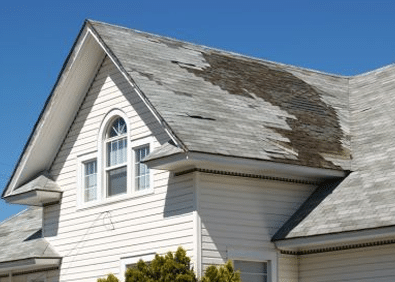
Sometimes, a full roof replacement is unavoidable. Here are some signs that indicate it’s time for a new roof:
Understanding the short-term vs. long-term costs and ROI (Return on Investment) is crucial.
Minor issues like small leaks or missing shingles can often be fixed without a full replacement. Here are some average repair costs:
Repairs are cost-effective in the short term but may not solve underlying issues, leading to more expenses down the road.
For extensive damage, a full replacement is often the better choice. Consider these costs:
While the upfront cost is higher, a new roof offers long-term benefits like better energy efficiency and increased home value.
A new roof can significantly boost your home’s curb appeal and resale value. According to US News, you can recoup a big chunk of the roofing costs if you decide to sell your home.
Next, we’ll explore how roofing costs vary by season and why timing your roof replacement can save you money.
Did you know that the time of year can significantly impact your roofing cost? Let’s explore how seasonal variations affect roof replacement expenses and the best times to schedule your project.
Roofing costs fluctuate throughout the year based on demand and weather conditions. Here’s a snapshot of how each season impacts roofing costs:
Fall is generally the best time to replace your roof. The moderate temperatures and lower contractor demand make it an ideal season. However, if you want to save even more, consider scheduling your roof replacement during late winter or early spring. During these off-peak times, you might get more competitive quotes and priority scheduling from contractors looking to keep busy.
Understanding contractor demand can help you plan your roofing project more effectively:
By timing your roof replacement strategically, you can manage your roofing cost more effectively and ensure a smoother project experience.
Next, we’ll answer some frequently asked questions about roofing costs to help you make informed decisions.
Replacing a 1,000-square-foot roof can cost between $4,000 and $40,000. The wide range is due to several factors, including the type of roofing material and the complexity of the project. For example, asphalt shingles are more affordable, costing around $4 to $25 per square foot, while high-end materials like metal or tile can be more expensive.
On average, a new roof costs about $15,000 for a 2,000-square-foot home. This includes both materials and labor. The cost per square foot typically ranges from $4 to $13, depending on the roofing material and labor rates. That labor often accounts for about 60% of the total expense.
The lifespan of a new roof depends on the material used:
Choosing the right material for your climate and maintenance capabilities can significantly affect your roof’s longevity.
By understanding these key aspects of roofing costs, you can make more informed decisions about your roof replacement project. For more details, consider reaching out to a professional roofing contractor in Massachusetts to get a comprehensive estimate custom to your specific needs.
At Roof Experts, we understand that replacing your roof is a significant investment. That’s why we strive to offer Massachusetts homeowners the highest quality workmanship and exceptional customer service. With over 20 years of experience in the roofing industry, we have built a reputation for delivering reliable and durable roofing solutions custom to each client’s needs.
Our team of skilled professionals is dedicated to ensuring every roofing project meets the highest standards. Whether you’re opting for affordable asphalt shingles or long-lasting metal roofing, we use top-quality materials and modern techniques to ensure your new roof is both durable and aesthetically pleasing.
From the initial consultation to the final inspection, we prioritize clear communication and customer satisfaction. We believe in keeping you informed every step of the way, so you always know what to expect. One of our customers in Franklin, MA shared, “I knew what was happening every step of the way,” highlighting our commitment to transparency and professionalism.
A thorough inspection is crucial for identifying potential issues early and ensuring your roof replacement is done right the first time. Our comprehensive roof inspections provide detailed reports and cost-effective solutions custom to your specific needs and budget. This meticulous approach helps us deliver long-lasting results that protect your home for years to come.
For more information or to schedule a consultation, visit our roof replacements service page. Experience why Roof Experts is the premier choice for roofing services in Massachusetts.
By choosing Roof Experts, you’re not just getting a new roof; you’re investing in peace of mind, knowing your home is in capable hands.
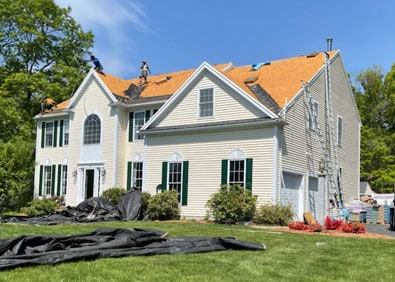
Roof Installations
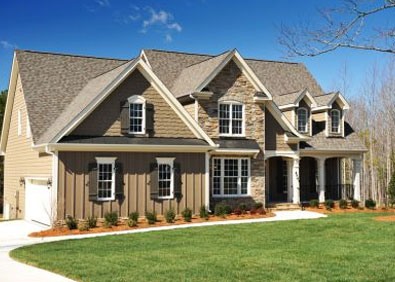
Roof Replacements
Roof Repairs