Roof sheathing, also called roof decking, is the structural wooden layer installed over your roof’s rafters. It serves as the foundational surface that supports your shingles, underlayment, and all other roofing materials. This critical component provides the nailing surface for your roof covering while distributing weight evenly across the framework.
Key Facts About Roof Sheathing:
Most homeowners never see their sheathing, yet your roof’s structural integrity. It connects the roof’s “skeleton” (trusses and rafters) to its “skin” (shingles), providing the strength to handle snow, wind, and the weight of the materials themselves. It also acts as a secondary weather barrier, protecting your home from moisture and debris if the outer layers are compromised.
I’m Jason Hedtler, owner of Roof Experts LLC in Bellingham, Massachusetts. With years of experience in roof replacements across the state, I know that proper sheathing is the key to a roofing system’s long-term performance.

Two materials dominate the market: plywood and Oriented Strand Board (OSB). Older homes may have plank sheathing (individual boards), which often requires replacement if gaps exceed 1/8 inch, per modern building codes.
Plywood is made from thin wood veneers glued together with alternating grain directions. This cross-lamination gives it excellent strength and stability. Plywood typically handles moisture better than OSB, making it a solid choice in humid or rainy climates.
Oriented Strand Board (OSB) is the most popular choice today due to its lower cost. It’s an engineered wood product made from compressed wood strands bonded with resin. While strong and effective, OSB can be more susceptible to swelling at the edges if exposed to moisture for extended periods.
Here’s a quick comparison:
| Feature | Plywood | OSB |
|---|---|---|
| Composition | Layers of wood veneers glued perpendicularly | Compressed wood strands bonded with resin |
| Cost | Generally higher | Generally lower (around $3 less per sheet) |
| Durability | Very strong, consistent | Strong, but can be less stiff than plywood |
| Moisture Resistance | Handles moisture better, less swelling | More susceptible to edge swelling if exposed |
| Weight | Lighter for comparable strength | Can be heavier than plywood |
| Surface | Smoother, more continuous | Can be rougher, may have textured side for grip |
Both materials are excellent choices for roof sheathing. The best option depends on your budget, local climate, and project needs. Consulting a roofing professional can help you make the right decision for your home.
The thickness of your roof sheathing is critical for your roof’s strength and durability. The two most common options are 1/2 inch and 5/8 inch.
1/2-Inch Sheathing: This is a lighter, more budget-friendly option suitable for homes in mild climates without heavy snow or high winds. It works well when rafters are spaced 16 inches apart or less and is generally sufficient for standard asphalt shingles.
5/8-Inch Sheathing: This thicker option offers superior strength, making it ideal for regions with heavy snow or strong winds, like many parts of Massachusetts. It is necessary for wider rafter spacing (24 inches or more) and for heavier roofing materials like slate or tile to prevent sagging. While the upfront cost is higher, it provides long-term durability and peace of mind.
How do we decide which is right for your home?
While 3/8-inch sheathing exists, it is rarely recommended for residential roofs due to its tendency to sag and poor fastener holding.
For more information on different roofing materials and their specific needs, explore our guide on More info about roofing materials.
Proper installation is vital for roof sheathing to perform correctly. Even the best materials will fail if not installed properly. Here are the key best practices we follow at Roof Experts:
Preparation: We inspect the roof’s frame (trusses and rafters) for damage or rot. The surface must be level and flat before any sheathing is laid.
Proper Panel Spacing: We always leave a 1/8-inch gap between sheathing panels. This allows the wood to expand and contract with temperature and humidity changes, preventing buckling and warping.
Orientation and Staggering: Panels are laid perpendicular to the rafters for maximum strength. We also stagger the joints between rows, like a brick pattern, to increase the roof deck’s overall rigidity.
Secure Fastening Schedule: Using the right nails and pattern is crucial. We use 8d nails for most sheathing, spaced 6 inches apart on panel edges and 12 inches apart on intermediate supports. Fasteners are driven flush with the surface to ensure a strong hold without damaging the panel.
Ventilation: Proper attic ventilation is essential to prevent moisture buildup that can cause rot. We ensure airflow is clear and meets building code requirements.
Protection During Installation: If sheathing is exposed to weather, we cover it promptly with underlayment to prevent moisture damage.
Underlayment and Final Roofing: Once the sheathing is installed, we apply a weather-resistant underlayment, followed by the final roofing material, installed according to manufacturer specifications.
For more detailed guidelines, the APA – The Engineered Wood Association offers excellent resources, such as their guide on Proper Installation of APA Rated Sheathing.
Knowing the signs of failing roof sheathing is key to preventing major problems. Damage is often found during a roof replacement, but you can look for these warning signs:
Water Damage: This is the most common issue. Look for water stains on your attic ceiling, soft or swollen wood, or delamination (layers separating), especially with OSB.
Rotting Wood: Long-term moisture exposure leads to rot. The wood will feel soft and spongy and may have a musty smell. Rotted sheathing loses all structural strength.
Sagging Roofline: A visible dip or sag in your roof is a serious warning that the sheathing and possibly the rafters are failing under the roof’s weight.
Broken or Damaged Boards: Physical impacts from falling branches or severe hail can crack or break sheathing, creating weak spots in the roof deck.
Visible Gaps in Plank Sheathing: In older homes, gaps between planks wider than 1/8 inch mean the sheathing must be replaced to provide a solid surface for modern shingles.
Most roof replacements require only a few boards to be changed. However, extensive damage may require a full re-deck. At Roof Experts, our estimates clearly outline how sheathing replacement costs will be handled, so there are no surprises. We recommend inspecting your attic twice a year to catch these issues early.
For more information on what to look for, check out our guide on More info about roof inspection.

Roof sheathing is a critical structural component regulated by building codes to ensure your home’s safety and durability.
Building Code Considerations:
Codes like the International Residential Code (IRC) specify minimum sheathing thickness and installation methods based on rafter spacing, roof slope, and local weather conditions (e.g., snow and wind loads). For example, codes often require that old plank sheathing with gaps wider than 1/8 inch be replaced. Adhering to these standards is essential for passing inspections and keeping your roofing material warranties valid.
For more details on code requirements, you can refer to resources like More info about building codes.
Structural Impact:
Sheathing acts as a structural diaphragm, tying the roof framing together into a single, rigid unit. This helps your home resist lateral forces from high winds or seismic events, preventing the structure from twisting. It provides overall rigidity, a secondary weather barrier, and even a degree of fire protection.
Cost Considerations:
The type and thickness of roof sheathing affect the total project cost. OSB is generally more affordable than plywood, and 1/2-inch sheathing is less expensive than 5/8-inch. However, investing in a thicker or more moisture-resistant material can prevent costly future repairs, offering better long-term value. The extent of sheathing replacement is a key factor in the final price of a new roof. Learn more on our page about the More info about the average cost of a new roof in Massachusetts.
As we’ve seen, the shingles you see are only part of the story. The true foundation of a strong, resilient roof is the roof sheathing beneath them. This solid deck provides the structural support and weather protection that keeps your home safe.
From choosing the right material (plywood or OSB) and thickness to ensuring critical installation practices are followed, every detail matters. Knowing the signs of damage allows for timely repairs, while adhering to building codes ensures your roof is safe and your warranties are valid.
At Roof Experts, we have over 20 years of experience serving homeowners across Norfolk and Plymouth County. We specialize in roof installations, replacements, and repairs, always prioritizing high-quality workmanship. We understand that a roof is a major investment, and we are committed to building yours on a solid foundation, from the roof sheathing up.
If you have concerns about your roof’s decking or are planning a replacement, don’t leave it to chance. Contact the professionals. We can assess your sheathing, recommend the best options for your home, and ensure a flawless installation for long-term value and peace of mind. For more information, explore our guide on More info about new roof decking.
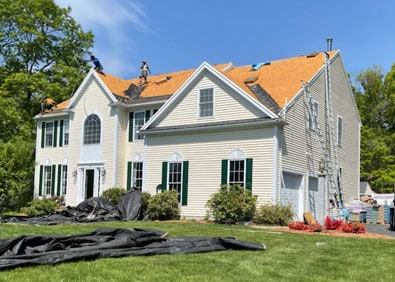
Roof Installations
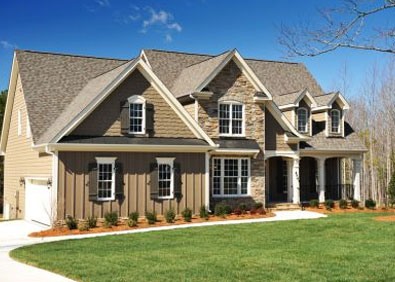
Roof Replacements
Roof Repairs