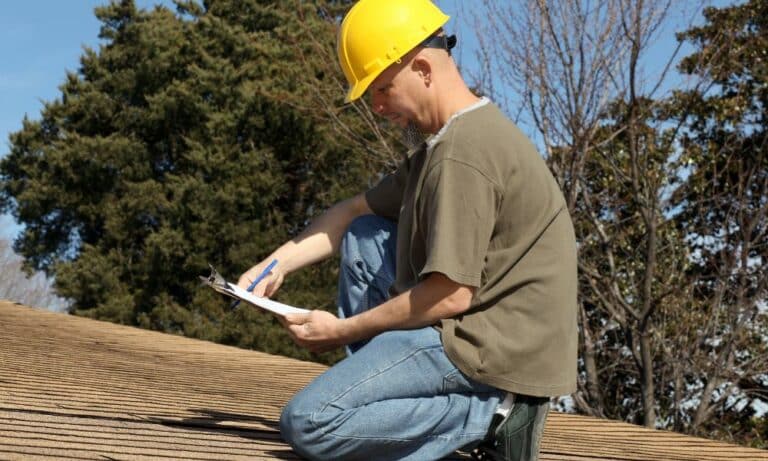

A roof inspection checklist is key to keeping your home protected and ensuring long-term savings. Let’s quickly cover the essentials:
Regular roof inspections are essential for every homeowner. They help in catching small problems before they turn into big, expensive headaches. By keeping your roof in good shape, you also preserve the value and beauty of your home.
Check your roof both inside and out. Look at the shingles, gutters, attic, and more. Finding issues early can save you a lot of money and stress.
For a detailed checklist and professional help, keep reading below.

A roof inspection checklist is a vital tool for ensuring your roof stays in top condition. Let’s break down its purpose, usage, frequency, and benefits.
The primary goal of a roof inspection checklist is to spot and record safety hazards and potential issues. By following a structured list, inspectors can systematically identify risks and ensure they are addressed with safety measures like training and PPE (personal protective equipment).
Roof inspection checklists are used in several scenarios:
According to the National Roofing Contractors Association, your roof should be inspected twice a year—once in the spring and once in the fall. Additionally, it’s crucial to inspect your roof after any heavy storms. This helps catch damage from wind or hail that might not be immediately visible.
Using a roof inspection checklist offers several significant benefits:
By understanding the purpose, usage, frequency, and benefits of a roof inspection checklist, homeowners can better appreciate its importance. A well-maintained roof not only protects your home but also offers peace of mind and long-term savings.

Next, we’ll dive into the essential components of a roof inspection checklist to help you conduct thorough inspections.
When it comes to ensuring the longevity and safety of your home, a thorough roof inspection is essential. Here’s a breakdown of what to look for during your inspection, categorized into exterior and interior components, along with special considerations for homes in Massachusetts.
Shingles:
Check for blistered, curled, or split shingles. These are signs of wear and tear that can lead to leaks. Replace any loose or missing shingles immediately.
Flashing:
Inspect the flashing around chimneys, skylights, and vents. Look for rust, corrosion, or missing caulk. Flashing should be securely sealed to prevent water intrusion.
Gutters:
Ensure that gutters and downspouts are clear of debris and properly attached. Blocked or damaged gutters can lead to water pooling and roof damage.
Chimneys:
Examine the chimney for cracks, loose bricks, or damaged mortar. Ensure that the flashing around the chimney is secure and watertight.
Skylights:
Inspect the seals around skylights for any signs of leakage. Check the glass or acrylic panels for cracks or other damage.
Attic:
Look for cracks on roof sheathing, signs of sagging decking, and any outside light coming through. Proper attic inspection can reveal hidden issues.
Ventilation:
Check attic intake vents and exhaust fans in bathrooms and kitchens. Proper ventilation is crucial to prevent condensation, mold, and structural damage.
Insulation:
Inspect attic insulation for signs of moisture or mold. Wet insulation is a clear indicator of roof leaks.
Water Stains:
Look for water stains on the interior ceilings and walls. These stains often indicate leaks around vents, chimneys, or skylights.
Structural Integrity:
Check for any signs of sagging, rot, or water damage on the roof decking. Structural issues need immediate attention to prevent further damage.
Weather Impacts:
Massachusetts weather can be harsh on roofs. From heavy snow to strong winds and rain, your roof endures a lot. Regular inspections help catch weather-related damage early.
Local Building Codes:
Familiarize yourself with local building codes and regulations. Ensuring your roof meets these standards not only keeps your home safe but also helps in case of insurance claims.
Using a roof inspection checklist can help you spot potential issues and keep your home in great shape. Here’s a step-by-step guide to make the process simple and effective.
Using a roof inspection checklist is a proactive way to maintain your roof’s health and prevent costly repairs. By following these steps and safety tips, you’ll ensure your roof remains in optimal condition.
When you inspect a roof, certain problems pop up more often than others. Knowing these common issues can help you understand what to look for and why it matters.
Pro Tip: After a storm, check your attic for wet insulation or damp spots. Leaks often show up there first.
Shingles protect your roof from the elements. Over time, they can blister, curl, or even blow off. Damaged shingles expose your roof to water damage and reduce its lifespan.
Fact: According to experts, excessive granule loss on shingles is a sign that they are nearing the end of their life.
Flashing is the material that seals joints and edges on your roof, like around chimneys or skylights. If flashing is rusty, corroded, or missing, water can seep in and cause damage.
Case Study: A homeowner in Massachusetts found that rusty flashing around their chimney had caused leaks that led to mold growth in their attic. Early detection saved them thousands in repairs.
Proper ventilation in your attic prevents moisture build-up and extends the life of your roof. Poor ventilation can lead to condensation, mold growth, and increased energy costs.
Tip: Check for signs of condensation and ensure your attic intake vents are not blocked.
Structural weaknesses can include sagging decking, cracks in roof sheathing, or issues with attic framing. These problems can compromise the integrity of your roof and even your home.
Warning: If you see light coming through your attic or notice sagging between rafters, call a professional immediately.
Next, we’ll discuss when and how often to conduct roof inspections to keep your roof in top shape.
In Massachusetts, the changing seasons can take a toll on your roof. Spring and fall are ideal times for roof inspections.
Spring: After the harsh winter, check for damage caused by ice, snow, and freezing temperatures. Look for cracked shingles, ice dams, and water stains.
Fall: Prepare your roof for the coming winter by ensuring it is in good condition. Check for loose shingles, clogged gutters, and any signs of wear and tear.
Storms can cause significant damage to your roof, even if it’s not immediately visible. After every major storm, perform a quick visual inspection from the ground. Look for missing or curled shingles, damaged flashing, and debris on the roof.
Tip: Use binoculars for a closer look without climbing onto the roof. If you spot any damage, call a professional for a thorough inspection.
Regular inspections are key to maintaining your roof’s health. Schedule a professional roof inspection at least once a year. This helps catch minor issues before they become major problems.
Checklist for Regular Maintenance:
– Visual check from the ground every few months
– Gutter cleaning twice a year
– Professional inspection annually
Pro Tip: Keep a record of all inspections and repairs. This can be valuable for insurance claims and future maintenance.
By following these guidelines, you can ensure your roof remains in optimal condition year-round.
Next, we’ll highlight how Roof Experts can be your partner in roof maintenance, leveraging over 20 years of experience in Massachusetts homes.
When it comes to maintaining your roof, Roof Experts is the go-to expert for homeowners in Massachusetts. With over 20 years of experience, we understand the unique challenges that Massachusetts weather can pose to your roof.
Living in Massachusetts means dealing with a variety of weather conditions—from heavy snow in winter to thunderstorms in summer. Our team is well-versed in handling these local weather impacts. We know what to look for and how to address issues specific to this region.
Example: After a severe snowstorm, our team found ice dams on a client’s roof in Franklin, MA. We quickly resolved the issue, preventing potential water damage.
Massachusetts homes have specific architectural styles and building codes. We specialize in these, ensuring that our inspections and repairs are compliant and effective.
Did You Know? Local building codes can vary by town. Our familiarity with these regulations means your roof will always meet or exceed standards.
With two decades in the roofing industry, we’ve seen it all. From minor leaks to major structural issues, our experience allows us to provide reliable, top-notch service.
Case Study: A Bellingham, MA homeowner faced recurring leaks despite multiple repairs from other contractors. Our experienced team identified a hidden structural flaw and fixed it permanently.
We offer a range of services to keep your roof in peak condition:
– New roof installations
– Roof replacements
– Roof repairs
– Comprehensive roof inspections
Quote: “When you choose Roof Experts, you’re choosing peace of mind. Our thorough inspections and expert repairs ensure your home stays safe and dry.” – John Hedtler, Founder
Whether you need a new roof or just a routine inspection, Roof Experts is your trusted partner. Contact us today to schedule your next roof inspection and experience the difference that local expertise and years of experience can make.
Next, we’ll discuss the importance of regular inspections and how often they should be conducted.
Regular roof inspections are vital for maintaining the health and longevity of your home. They help detect potential problems early, prevent costly repairs, and maintain the value of your property. By staying proactive, you can avoid major issues that could lead to extensive damage and expensive fixes.
Contact Roof Experts for professional roof inspection services. With over 20 years of experience serving homeowners in Massachusetts, we understand the unique challenges that local weather and building codes present. Our team is dedicated to providing thorough inspections and high-quality repairs to keep your home safe and secure.
Choosing Roof Experts means choosing peace of mind. Our expert inspectors meticulously assess your roof and provide detailed reports on its condition. Should any issues be uncovered, we work closely with you to develop a cost-effective solution that meets your needs and budget.
Don’t wait until a minor issue becomes a major problem. Schedule your roof inspection with Roof Experts today and ensure your home remains in top condition year-round.
Next, we’ll discuss the importance of regular inspections and how often they should be conducted.
The best time to inspect your roof is before the colder months arrive. This allows enough time for any necessary repairs to be made before harsh weather sets in.
It’s also wise to perform an inspection after a severe storm. Storms can cause significant damage that may not be immediately visible. Regular inspections every three to four years can help catch potential issues early, especially after half of your roof’s expected lifespan has passed. For homeowners in Massachusetts, it’s crucial to consider the impact of local weather conditions, which can be severe.
Hidden damage isn’t always obvious. Signs can include:
If you notice any of these signs, it’s time to call in a professional. Regular inspections can help identify these less obvious issues before they become major problems.
If you find issues during a self-inspection, do not attempt major repairs yourself. Minor fixes might be manageable, but improper repairs can lead to bigger problems and may void your roof’s warranty.
Instead, contact a professional roofing contractor like Roof Experts for a thorough inspection and expert advice. Our team will provide a detailed report and work with you to develop an effective repair plan that fits your budget.
Regular roof inspections are key to maintaining your home’s value and preventing costly repairs. Trust the experts at Roof Experts to keep your roof in top condition. Schedule your inspection today for peace of mind all year round.
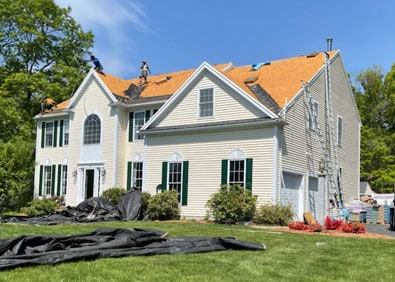
Roof Installations

Roof Replacements
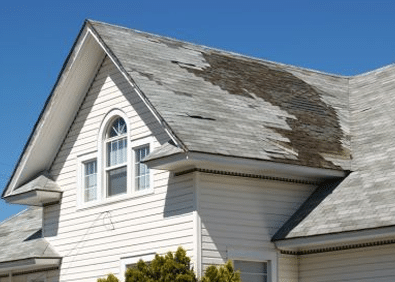
Roof Repairs