Finding a leaking roof is a nightmare for any homeowner. Leaks can cause serious water damage, disrupt your daily life, and even escalate into costly repairs if action isn’t taken immediately.
If your roof is leaking right now, here’s a quick checklist to get started:
1. Move important items out of the affected area.
2. Contain the leaking water with buckets or garbage cans.
3. Relieve water pressure by puncturing bulging ceilings.
4. Tarp the roof to minimize further damage.
5. Call a professional roofer as soon as possible.
Taking these steps promptly can help minimize initial damage and prevent long-term issues.
I’m Jason Hedtler, owner of Roof Experts. With over 20 years of experience in leaking roof repairs, my team and I have seen it all—whether it’s storm damage or an aging roof, we know how to fix it right. If you live in Franklin or Bellingham, MA, we’re here to provide you with the reliable roofing services you need.
Next, let’s dive into identifying the signs of a leaking roof and the steps you can take to mitigate the damage.

Spotting the early warning signs of a leaking roof can save you time, money, and a lot of stress. Here are some key indicators to look for both inside and outside your home.
Mold: Any signs of mold or mildew inside your home may indicate moisture is entering. Mold often appears in damp corners, on ceilings, or behind furniture. It can be a health hazard, so address it quickly.
Dampness or Stains: Check your ceilings and walls for water stains or bubbles in the paint. Water stains often have a dark ring on the outside with discoloration on the inside. These can grow and compromise the structural integrity of your home if left untreated.
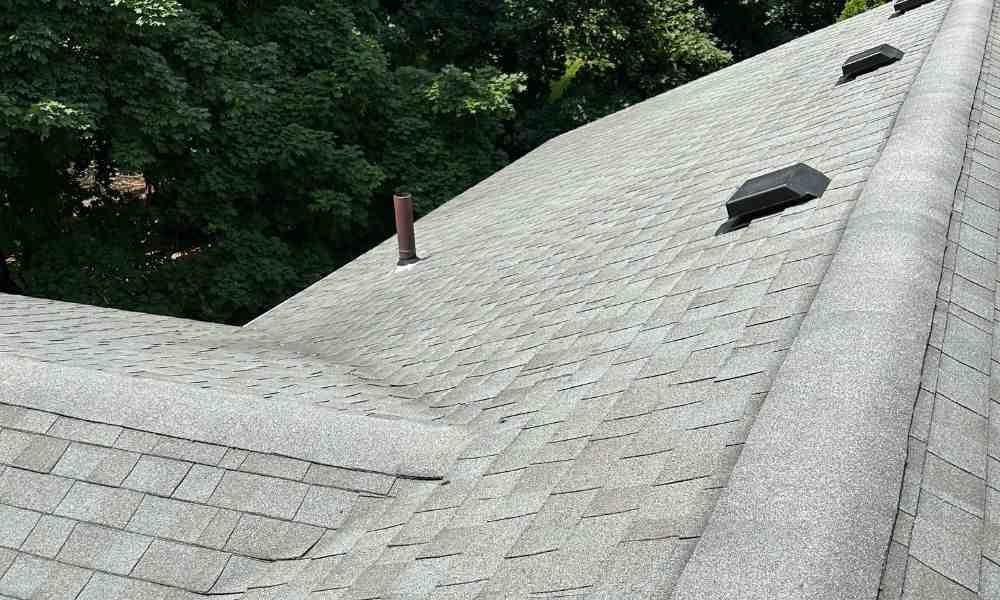
Missing or Damaged Shingles: Using binoculars, inspect your roof from the ground. Look for missing, torn, cracked, or curling shingles. Shingles are your roof’s first line of defense against water, and damaged ones can let water seep in.
Roof Flashing: Flashing is the material placed around roof features like chimneys and vents to prevent water entry. Cracks in the caulk or missing pieces of flashing can be a common source of leaks.
Gutters: Check if sections of the gutters are drooping or overflowing when it rains. Clogged or damaged gutters can prevent water from draining off the roof, leading to leaks and water damage.
One homeowner in Bellingham, MA, noticed a musty odor in their living room. Upon closer inspection, they found mold growing in the corner of the ceiling. A quick check of the attic revealed water stains on the rafters, indicating a leaking roof. By addressing the problem early, they avoided more extensive damage and costly repairs.
By regularly inspecting these areas, you can catch issues before they become major problems. Next, we’ll discuss the steps you should take when you find a leak in your roof.
When you notice a leaking roof, the first thing you want to do is protect your belongings. Move items like furniture, electronics, and clothing away from the leak. If you can’t move something, cover it with a tarp or plastic sheeting. This helps prevent water damage and keeps your items dry. Use buckets or containers to catch dripping water and minimize the mess.
Once your items are safe, focus on containing the water. Use buckets, garbage cans, or even towels to catch the water. Place these containers under the leak and empty them regularly to avoid overflow. This simple step can help reduce the damage to your floors and ceilings.
If you notice a bulge in your ceiling, it means water is collecting there. It may seem counterintuitive, but you should carefully puncture the bulge with a screwdriver. Place a bucket underneath to catch the water. This prevents the water from spreading and causing more extensive damage to your ceiling.
If you can’t get a professional to fix your roof right away, a tarp can offer temporary protection. Cover the problem area with a tarp, ensuring it extends at least four feet beyond the damaged area. Use fasteners and nails to secure the tarp and prevent water from getting underneath it. Make sure the tarp is tightly secured to provide the best protection.
Documenting the damage is crucial for filing an insurance claim. Take photos of the leak, the damaged items, and any other affected areas. This will help you when you file your claim and can make the process smoother. Your insurance might cover the cost of repairs and replacement of damaged items.
Handling a leaking roof is a big job, and it’s best left to professionals. Call a local roofing contractor to assess and repair the damage. Professionals can identify problems that you might miss and ensure the repair is done correctly. Waiting too long can make the problem worse, so act quickly.
After your roof is fixed, regular maintenance is key to preventing future leaks. Inspect trees around your home to ensure branches aren’t too close to your roof. Clean your gutters regularly to prevent clogging, which can cause water to overflow and damage your roof. Check for any loose or missing shingles, and look for cracks in your chimney or vents. Regular maintenance can save you from costly repairs in the future.
By following these steps, you can manage a leaking roof effectively and minimize damage to your home. Next, we’ll explore the common causes of roof leaks and how to address them.
Understanding the common causes of roof leaks can help you prevent them. Here are the main culprits:
As shingles age, they dry out and wear out. Over time, they lose their ability to protect your home. Missing shingles are another problem. They leave gaps that let water in, causing leaks and water damage.
Tip: Regularly inspect your roof for missing or damaged shingles. Replace them promptly to avoid further issues.
Flashing is the material that seals joints and prevents water from getting in. Over time, cracks and corrosion can occur, especially if the flashing was improperly installed.
Tip: Check your flashing for any signs of damage. Repair or replace it to keep your roof watertight.
Gutters are essential for directing water away from your roof. When they get clogged with leaves and debris, they can’t do their job. This can lead to overflow and water damage.
Tip: Clean your gutters regularly to ensure proper drainage. Consider installing gutter guards to keep debris out.
Trees near your home can be both a blessing and a curse. Falling branches and debris can puncture your roof, causing leaks.
Tip: Trim back any overhanging branches. Regularly inspect your roof for damage caused by trees.
Sometimes, the problem starts with how the roof was installed. Nail placement, underlayment issues, and flashing errors can all lead to leaks.
Tip: Always hire a reputable roofing contractor for installations and repairs. Poor workmanship can lead to costly problems down the road.
Finding the source of a leaking roof can be tricky. Water often enters the home far from where it appears inside. Here’s a step-by-step guide:
Plumbing vent boots and roof vents are common leak spots. Here’s how to fix them:
Old mounting holes from vents or satellite dishes can let water in. Here’s how to patch them:
Step flashing directs water away from walls and chimneys. If it’s damaged, water can seep in. Here’s what to do:
Dormers and walls can also be leak sources. Here’s how to fix them:
If a tree has damaged your roof, it’s best to call a professional. Here’s what to do in the meantime:
If your roof is leaking, take immediate action to minimize damage:
Several factors can cause your roof to leak during heavy rain:
Stopping water leakage involves a few key steps:
By following these steps, you can manage a leaking roof effectively until professional help arrives. Regular maintenance and inspections are key to preventing leaks in the first place. For homeowners in Massachusetts, Roof Experts offers reliable and professional roofing services to keep your home safe and dry.
When it comes to a leaking roof, quick and effective action is crucial to prevent further damage. At Roof Experts, we understand the urgency and importance of prompt roof repairs. Our professional team is dedicated to providing high-quality workmanship and detailed inspections to ensure your roof remains in optimal condition.
For over 20 years, we’ve been the trusted roofing contractors for homeowners in Massachusetts. Whether you need a minor repair or a complete roof replacement, our experts are here to help. We use only the best materials and techniques to guarantee a durable and aesthetically pleasing roof that improves your home’s value and safety.
Don’t let a leaking roof compromise your home’s integrity. Contact us today to schedule a free inspection and experience our exceptional service firsthand. Trust Roof Experts to keep your home safe and dry.
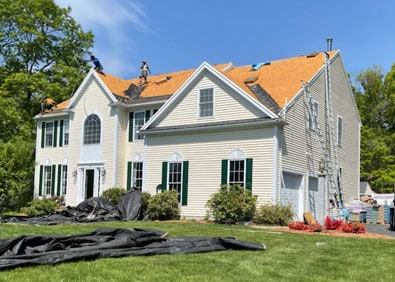
Roof Installations

Roof Replacements
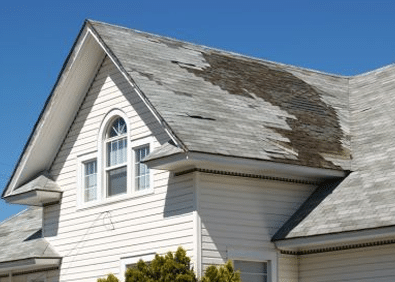
Roof Repairs