
How to calculate the cost of replacing a roof can be a bewildering task for many homeowners in Franklin and Bellingham, MA. Yet understanding this can ease your planning and budget woes. Several core factors shape this cost: the type of materials you choose, the square footage of your roof, and its slope.
Key Cost Factors:
– Materials: Different roofing materials vary in price and durability. Choose wisely!
– Square Footage: Measure your roof’s dimensions accurately.
– Slope: Steeper roofs may cost more due to the complexity of installation.
Deciding to replace your roof is a significant investment in your home’s longevity and aesthetics. By grasping these core concepts, you can better anticipate the financial commitment and make more informed decisions regarding your roofing project.
As Jason Hedtler, owner of Roof Experts, I’ve dedicated my career to mastering how to calculate the cost of replacing a roof. With years of experience serving Massachusetts homeowners, I’m here to guide you through this process with clarity and confidence.

Important how to calculate the cost of replacing a roof terms:
– Replacing a roof in MA
– average cost of flat roof replacement
– average cost of roof replacement in massachusetts
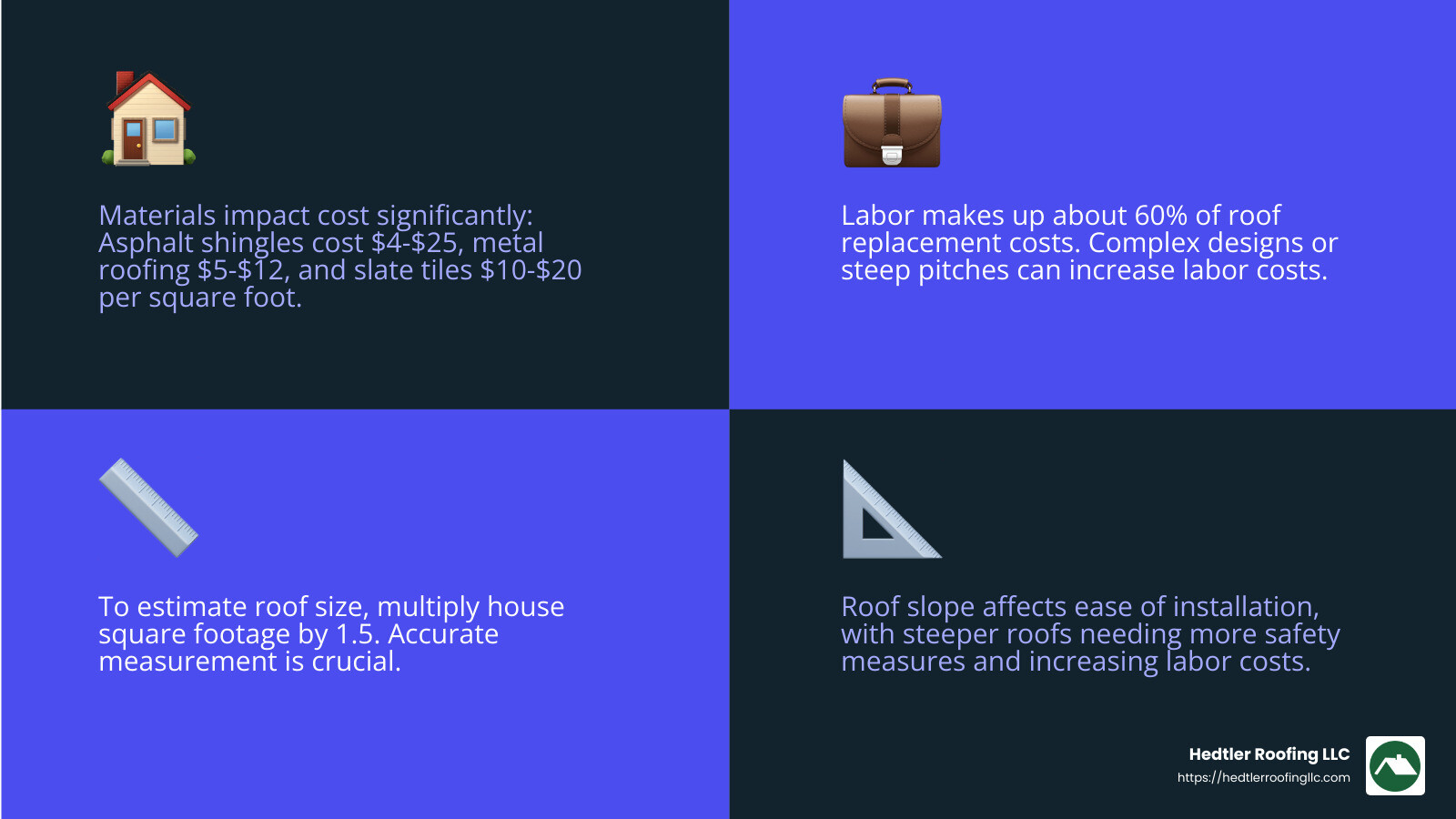
Replacing a roof is a major investment, and understanding the costs involved is crucial for homeowners in Massachusetts. Let’s break down the key elements that contribute to the overall cost of a roof replacement: materials, labor, square footage, and slope.
The type of material you choose for your roof significantly impacts the cost. Here’s a quick look at some common options:
Each material has its pros and cons, so consider factors like climate, lifespan, and maintenance needs when making your decision.
Labor costs can make up about 60% of the total expense of a roof replacement. The complexity of the roof design, including steep pitches and architectural features like dormers, can increase labor costs. Labor rates also vary by region, and in Massachusetts, these costs may be influenced by local regulations and the availability of skilled workers.
The size of your roof directly affects both material and labor costs. To estimate your roof’s size, multiply the square footage of your house by 1.5. For example, a 2,000 square foot home typically has a roof of approximately 3,000 square feet. Accurate measurements are crucial to avoid buying too much or too little material.
The slope or pitch of your roof impacts the ease of installation. Steeper roofs are more challenging and dangerous to work on, requiring specialized equipment and safety measures. This complexity can increase both labor time and costs.
Understanding these factors can help you better plan your budget and make informed decisions about your roof replacement project. By considering the type of materials, labor requirements, square footage, and roof slope, you can gain a clearer picture of the financial investment involved.
Next, we’ll explore measurement techniques that ensure accuracy and efficiency in estimating your roof replacement costs.
Calculating the cost of replacing a roof involves a few key steps. By understanding how to measure your roof and choose the right materials, you can get a clearer picture of the expenses involved.
Accurate measurements are essential when estimating the cost of a roof replacement. Here’s how you can do it:
The materials you select greatly influence your overall costs and the lifespan of your roof. Here’s a breakdown of popular options:
Each material has its pros and cons. For instance, asphalt shingles are affordable but have a shorter lifespan compared to metal roofing, which offers durability but at a higher cost. Consider your budget, climate, and desired longevity when choosing materials.
Understanding these aspects will help you calculate the cost of replacing a roof more accurately. By measuring your roof correctly and selecting the right materials, you can better plan your budget and ensure your project stays on track.
Next, we’ll dig into additional cost factors that can impact your overall roofing budget.
When planning a roof replacement in Massachusetts, it’s important to account for extra costs beyond just materials and basic labor. These additional factors can significantly influence your overall budget.
Roofing isn’t just about laying down shingles. Complex roof designs with multiple angles or features like skylights and chimneys require more skilled labor. This can increase the time and cost of the project. For instance, removing old shingles and preparing the roof deck can add to labor expenses, especially if the underlying structure needs repairs.
Safety is a priority in roofing projects, particularly for steep or multi-story homes. Scaffolding provides a stable platform for workers, ensuring safety and efficiency. While essential, scaffolding adds to the project costs. The price can vary based on the height and complexity of your roof, but it’s a necessary investment to ensure the job is done safely.
Certain roof features can also add to the cost:
Understanding these additional factors can help you better anticipate and budget for your roof replacement. Being prepared for these costs ensures you won’t be caught off guard, allowing for a smoother project experience.
Next, we’ll explore the different costs associated with various roofing materials to help you make an informed choice.
When replacing a roof in Massachusetts, selecting the right material is crucial. Each type of roofing material comes with its own cost considerations, benefits, and potential downsides. Understanding these differences can help you make the best decision for your home and budget. Let’s break down the costs and features of asphalt shingles, metal roofing, and slate tiles.
Asphalt shingles are a popular choice for many homeowners due to their affordability and ease of installation. They are available in various styles and colors, making them versatile for different home aesthetics.
Metal roofing is known for its durability and energy efficiency. It’s a great option for those looking to invest in a long-lasting roof that can withstand Massachusetts’ variable climate.
Slate tiles offer a premium roofing option with best longevity and a distinctive appearance. They are ideal for those seeking a high-end, durable roof.

Understanding the costs and benefits of each roofing material type can help you budget effectively for your roof replacement. Whether prioritizing affordability, durability, or aesthetic appeal, choose the material that best fits your needs and climate conditions in Massachusetts.
Next, we’ll address some frequently asked questions about roof replacement costs to further assist in your decision-making process.
Calculating the cost of a new roof involves several key steps. First, you’ll need to measure the square footage of your roof. This is typically done by multiplying the length and width of each roof section, then adding them all together.
Next, consider the roof pitch. A steeper roof may require more materials and labor, increasing the cost. Also, factor in the complexity of your roof’s design, like dormer windows or skylights, which can add to the labor costs.
Finally, choose your roofing materials. Different materials have different price points. For instance, asphalt shingles are generally more affordable than metal or slate tiles. Once you have all these factors, you can use a roofing cost calculator or consult with a local contractor to get an estimate.
A simple formula for estimating roofing costs is:
[ \text{Total Cost} = (\text{Roof Area} \times \text{Material Cost per Sq Ft}) + \text{Labor Cost} + \text{Additional Costs} ]
Replacing a 1,000-square-foot roof can vary significantly based on the materials and labor. Here’s a quick breakdown:
For Massachusetts homeowners, these estimates can help you understand what to expect and how to budget for your roof replacement. Always consider getting multiple quotes from reputable local contractors to ensure you’re getting the best value for your investment.
Next, we’ll dig into additional cost factors to consider when planning your roof replacement.
At Roof Experts, we understand that replacing a roof is a significant investment for homeowners in Massachusetts. Our mission is to make this process as smooth and stress-free as possible. With over 20 years of experience in the roofing industry, we pride ourselves on delivering high-quality service and ensuring that your home remains safe and secure.
Local Expertise: Based in Bellingham, MA, we know the unique challenges Massachusetts homeowners face, from harsh winters to humid summers. Our roofs are designed to withstand these conditions, ensuring long-lasting protection for your home.
Quality Assurance: We use only the best materials and the latest techniques. Our commitment to excellence means you get a roof that not only looks great but also stands the test of time.
Detailed Inspections: Before starting any project, we conduct thorough roof inspections to assess the current condition of your roof. This helps us identify any underlying issues and provide you with a detailed report of our findings.
Transparent Pricing: We believe in transparency and helping you make informed decisions. That’s why we offer free roof inspections and detailed estimates, so you know exactly what to expect.
Customer Satisfaction: Our team is dedicated to ensuring your complete satisfaction. We work closely with you to develop a cost-effective solution that meets both your needs and budget.
For Massachusetts homeowners looking to replace their roof, choosing Roof Experts means choosing peace of mind. Our experience, local expertise, and unwavering commitment to quality ensure that your roof replacement project is in capable hands.
Contact us today to schedule your free inspection and estimate. Let us help you steer the financial aspects of re-roofing and provide you with a roof that improves your home’s beauty and value for years to come.
Roof Installations
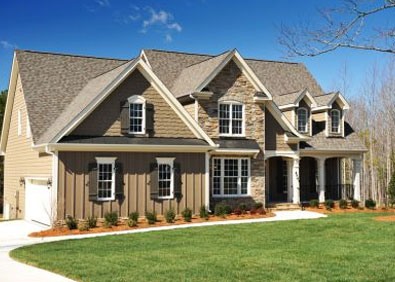
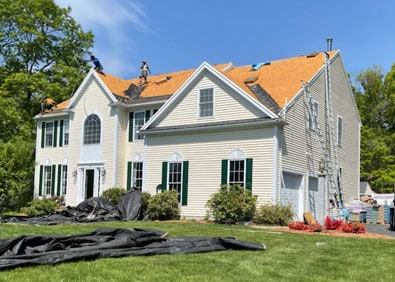
Roof Replacements
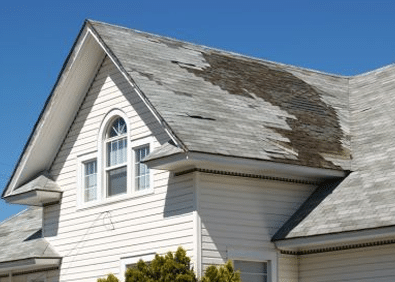
Roof Repairs