If you’re wondering how long does a rubber roof last, the short answer is: up to 50 years. Here’s why rubber roofs are a standout option for both flat and low-slope commercial buildings:

I’m Jason Hedtler, the owner of Roof Experts. With years of experience in the roofing industry, I can tell you first-hand how long does a rubber roof last and the steps to maximize its lifespan.
Now, let’s dive deeper into the basics of rubber roofing and understand why it’s one of the most popular choices for commercial buildings.
EPDM stands for Ethylene Propylene Diene Monomer, a type of synthetic rubber. It’s a popular choice for flat roofs and low-slope roofs because of its excellent durability and flexibility. EPDM is made from ethylene and propylene, which are derived from oil and natural gas. This material has been used in the roofing industry for over 45 years and is known for its long-lasting performance.
Rubber roofs offer numerous advantages, making them a preferred option for many commercial buildings. Here are some key benefits:
Durability: EPDM roofs can last 40 to 50 years with proper maintenance. They are resistant to various environmental factors, including hail, ozone, and ultraviolet (UV) radiation.
Fatigue Resistance: EPDM is known for its ability to withstand repeated stress without cracking or deteriorating. This makes it ideal for areas with extreme weather conditions.
Eco-Friendly: EPDM roofing materials are often made from recycled products and are fully recyclable at the end of their lifespan. This makes them an environmentally friendly choice.
Fire Resistance: EPDM roofs are highly fire-resistant, providing an added layer of safety for your building. They can withstand extreme heat without catching fire.
Hail Resistance: The flexibility of EPDM allows it to absorb impacts from hail without fracturing. This is crucial for areas prone to hailstorms.
UV Resistance: EPDM roofs are highly resistant to UV rays, which helps in reducing heat absorption and prolonging the roof’s lifespan.
Wind Resistance: Properly installed EPDM roofs can withstand high winds, making them suitable for areas with frequent storms.
Heat Resistance: EPDM membranes can endure extreme temperatures, both hot and cold, without losing their structural integrity.
These benefits make rubber roofs an excellent choice for both flat and low-slope commercial buildings. They offer a combination of durability, cost-effectiveness, and environmental benefits that are hard to match with other roofing materials.

Next, we’ll explore how long rubber roofs last and what factors can affect their lifespan.
Rubber roofs, particularly those made from EPDM, are known for their durability and longevity. On average, a well-maintained rubber roof can last 40 to 50 years. However, several factors can influence this lifespan.
By following these maintenance tips and addressing issues promptly, you can help ensure your rubber roof reaches its maximum lifespan of 40 to 50 years.
Next, we’ll explore some common issues that can arise with rubber roofs and how to address them.
Rubber roofs are durable, but they can face some common issues over time. Understanding these problems and knowing how to address them can help you keep your roof in top shape.
Shrinkage occurs when the rubber membrane contracts, pulling away from edges and seams. This can expose your roof to water damage.
How to Address Shrinkage:
– Proper Installation: Ensure that your roof is installed correctly by a professional. Properly laid membranes are less likely to shrink.
– Regular Inspections: Inspect your roof for signs of shrinkage, especially around edges and seams.
– Preventative Measures: Use high-quality materials and consider adding extra waterproofing layers to minimize shrinkage.
Punctures can happen due to falling debris, foot traffic, or sharp objects. These small holes can let water in, causing damage.
How to Address Punctures:
– Repair Techniques: Small punctures can be repaired with a patch kit. For larger punctures, it’s best to call a professional.
– Preventative Measures: Limit foot traffic on the roof and keep the surface clear of debris. Adding protective mats can also help.
Seams are the joints between roofing materials. Seam failure can occur if they are not properly sealed, leading to leaks.
How to Address Seam Failure:
– Proper Installation: Ensure seams are sealed correctly during installation. Using high-quality adhesives can help.
– Regular Inspections: Check seams regularly for gaps or signs of wear.
– Professional Maintenance: Have a professional roofer inspect and reseal seams as needed.
Frequent inspections are crucial to catch and address issues early. Missing a problem can lead to costly repairs down the line.
How to Conduct Inspections:
– Quarterly Checks: Perform visual inspections at least four times a year. Look for cracks, blisters, and other signs of damage.
– Post-Storm Checks: Inspect your roof after major storms for any new damage.
– Professional Inspections: Hire a professional to conduct a thorough inspection annually. They can spot issues you might miss.
Routine professional maintenance can extend your roof’s lifespan and address issues before they become major problems.
Benefits of Professional Maintenance:
– Expertise: Professionals have the experience to identify and fix issues correctly.
– Preventative Care: Regular maintenance can prevent small problems from escalating.
– Peace of Mind: Knowing your roof is in good hands can reduce stress and potential repair costs.
By understanding and addressing these common issues, you can ensure your rubber roof remains durable and long-lasting.
Next, we’ll dig into the types of coatings available for rubber roofs and how they can extend your roof’s lifespan.
Coatings can breathe new life into all types of flat roofs, including rubber roofs. They seal cracks and voids, creating a continuous membrane that protects your building from water infiltration. Let’s explore how these coatings work, their lifespan, and how to maintain them.
Rubber roof coatings are applied as a liquid, which then cures to form a seamless protective layer. This layer is highly effective at waterproofing and extending the lifespan of your roof.
Maintaining a coated rubber roof is essential for maximizing its lifespan. Here are some tips:
Sealing Cracks and Extending Lifespan: Rubber roof coatings are excellent for sealing cracks and voids, which can prevent water from penetrating and causing damage. Applying a new coating every 15 years can add decades to your roof’s lifespan.
Waterproofing: One of the primary benefits of rubber roof coatings is their ability to waterproof the roof. This is crucial for flat roofs, where water can pool and cause damage.

By following these maintenance tips and ensuring proper application, you can keep your rubber roof in excellent condition for many years.
Next, we’ll answer some frequently asked questions about rubber roofs.
Rubber roofs, specifically EPDM roofs, typically last 25 to 35 years. However, this depends on several factors like weather conditions, material quality, and how well the roof is maintained.
Extreme Weather Conditions: If your roof faces harsh weather, such as heavy snow, intense heat, or frequent storms, it might not last as long. Regular inspections are crucial in these environments.
Material Quality: Thicker, high-quality materials generally last longer than thinner ones. Always opt for the best quality you can afford to maximize your roof’s lifespan.
Yes, rubber roofs are worth the investment for several reasons:
Initial Costs: While the upfront cost of installing a rubber roof might be higher than some other materials, the long-term savings are significant.
Long-term Durability: EPDM roofs are known for their durability. They resist hail, UV rays, and extreme temperatures, making them a reliable choice for many homeowners.
Maintenance Requirements: Rubber roofs require minimal maintenance. Regular inspections and minor repairs can keep them in excellent condition for decades.
Cost-effectiveness: Given their long lifespan and low maintenance needs, rubber roofs are cost-effective in the long run. They also offer energy efficiency benefits, such as reducing heating and cooling costs.
Proper maintenance can significantly extend the life of your rubber roof. Here are some essential tips:
Visual Checks: Regularly inspect your roof for any signs of damage. Look for cracks, blisters, and areas where the material may be peeling.
Debris Removal: Keep your roof clean by removing leaves, branches, and other debris. This prevents water pooling and potential damage.
Blister Checks: Blisters can form if water gets trapped under the membrane. Inspect for these and address them promptly to avoid further issues.
Tree Maintenance: Trim any tree branches that hang over your roof. This prevents damage from falling branches and reduces the risk of critters accessing your roof.
Cleaning: Clean your roof periodically with a mild cleaning solution. Avoid using petroleum-based products, as they can damage the rubber material.
By following these maintenance tips and scheduling regular inspections, you can ensure your rubber roof remains in excellent condition for many years.
Next, we’ll explore common issues with rubber roofs and how to address them.
At Roof Experts, we pride ourselves on delivering high-quality roofing solutions custom specifically for Massachusetts homeowners. With over 20 years of experience, our team is dedicated to providing top-notch workmanship and exceptional customer service.
We understand that a well-installed rubber roof can be a significant investment, and we are here to ensure that investment pays off. Our detailed inspections and thorough maintenance services are designed to maximize the lifespan of your rubber roof, keeping it in excellent condition for decades.
Whether you need a new roofing installation, a replacement, or repairs, you can trust us to handle all your roofing needs with precision and care. Our experts are well-versed in the latest roofing techniques and materials, ensuring your home remains protected and aesthetically pleasing.
Why Choose Roof Experts?
If you’re ready to invest in a durable and reliable rubber roof, or if you need expert maintenance to extend the life of your existing roof, contact Roof Experts today. Let us help you protect your home with a roof that stands the test of time.
By choosing Roof Experts, you’re not just getting a roof; you’re gaining peace of mind knowing that your home is in capable hands.
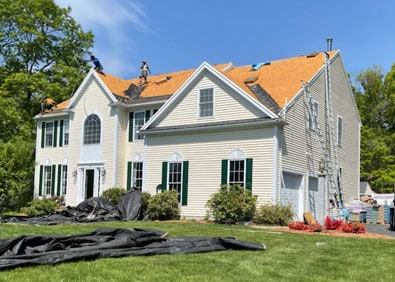
Roof Installations
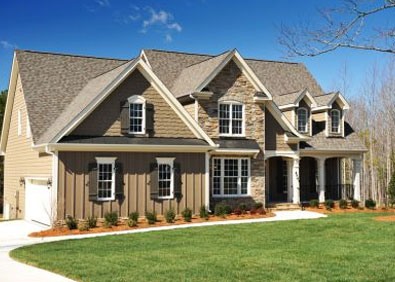
Roof Replacements
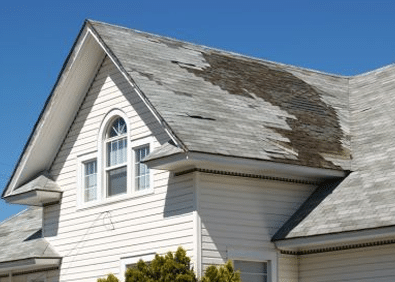
Roof Repairs