How long do rubber roofs last? If you’ve been pondering this question, here’s the succinct answer: a well-maintained rubber roof, also known as EPDM (Ethylene Propylene Diene Monomer) roofing, can last anywhere from 40 to 50 years with proper care and attention. That’s almost half a century of solid protection over your home, making it an appealing choice for homeowners who value both durability and cost-effectiveness.
As you journey through this article, you’ll gain deeper insights into why EPDM roofing stands the test of time and how it compares to other options.

I’m Jason Hedtler, owner of Roof Experts, and I’ve spent years specializing in roofing solutions for homeowners in Massachusetts, grounded in decades of experience. Understanding how long do rubber roofs last is crucial for ensuring you make an informed decision about your home’s protection. Let’s dive deeper.
How long do rubber roofs last helpful reading:
– cost of a rubber roof
– cost of epdm roofing
– how to fix a rubber roof
When it comes to rubber roofs, EPDM (Ethylene Propylene Diene Monomer) is the star player. It’s a synthetic rubber membrane that’s often used for flat roofs, especially in commercial buildings. But why is EPDM such a popular choice?
EPDM is known for its flexibility and durability. This makes it perfect for flat roofs, which are common in commercial settings. The material can stretch and move with the building, reducing the risk of cracks or leaks. This is particularly important for flat roofs, which don’t shed water as quickly as sloped roofs.
Commercial buildings often have large, flat roofs, and EPDM is a cost-effective solution for covering these expansive areas. It’s easy to install and maintain, which is a big plus for building owners who want to keep maintenance costs low.
Moreover, EPDM is highly resistant to UV radiation and extreme temperatures, two factors that can quickly degrade other roofing materials. This resistance makes it a long-lasting choice, with a lifespan of up to 50 years when properly maintained.

Flat roofs present unique challenges. Water pooling, for instance, can be a major issue. But EPDM’s water-resistant properties help mitigate this risk. When installed correctly, with proper drainage systems, EPDM can handle the demands of a flat roof with ease.
In summary, EPDM is a top choice for flat roofs in commercial settings due to its durability, flexibility, and cost-effectiveness. If you’re considering a rubber roof for your home, understanding these benefits can help you make an informed decision.
Next up, we’ll explore the factors that can affect the longevity of rubber roofs and how you can maximize their lifespan.
When it comes to how long do rubber roofs last, the answer largely depends on several key factors. With proper care, rubber roofs, particularly those made from EPDM, can last anywhere from 40 to 50 years. However, certain conditions can either shorten or extend this lifespan.
1. Weather Conditions:
In Massachusetts, the climate can be quite varied, with harsh winters and humid summers. These conditions can affect the longevity of your rubber roof. EPDM is highly resistant to UV rays and can withstand extreme temperatures, but heavy snow or storms can still cause wear over time. Regular checks after severe weather can help catch potential issues early.
2. Installation Quality:
The quality of installation plays a crucial role in the lifespan of a rubber roof. Poor installation can lead to seam failures or inadequate drainage, which can shorten the roof’s life. Always ensure that your roof is installed by experienced professionals who follow manufacturer guidelines.
3. Drainage:
Proper drainage is essential for any flat roof. Water pooling can lead to leaks and damage over time. EPDM roofs should have a well-designed drainage system to prevent water from accumulating. Regular inspections can help ensure that drains are clear and functioning properly.
Maintaining your rubber roof is key to reaching that 40 to 50-year lifespan. Here are some practical tips:
1. Cleaning:
Regular cleaning can prevent debris buildup, which can cause water pooling and damage. Use a broom and a gentle cleaning solution to keep the surface clear. Avoid petroleum-based cleaners, as they can damage the EPDM material.
2. Inspections:
Conduct regular inspections to catch small issues before they become big problems. Look for blisters, tears, or seam issues. It’s a good idea to have a professional inspection at least once a year, especially after severe weather.
3. Repairs:
Prompt repairs are crucial. If you spot a tear or seam issue, address it quickly to prevent further damage. Small repairs can often be handled with EPDM patch kits, but larger issues may require professional help.
By understanding these factors and following these maintenance tips, you can significantly extend the life of your rubber roof. Up next, we’ll compare rubber roofs to other roofing materials to see how they stack up in terms of durability and cost-effectiveness.
When choosing a roofing material, it’s important to understand the differences in durability, cost, and maintenance. Let’s take a closer look at how EPDM rubber roofs compare to other popular materials like TPO, PVC, and asphalt.
1. Durability and Longevity:
EPDM rubber roofs are known for their impressive lifespan, lasting 40 to 50 years with proper maintenance. This durability is comparable to more expensive materials like PVC and TPO, which also offer long lifespans but at a higher cost.
2. Fire Resistance:
Rubber roofs offer good fire resistance, providing an extra layer of safety. This is a significant advantage over asphalt, which is less fire-resistant.
3. Eco-Friendly:
EPDM is made from recycled materials, making it an environmentally friendly option. It has a lower carbon footprint compared to traditional materials like asphalt and PVC, which require more energy-intensive production processes.
1. Vulnerability to Punctures:
While EPDM is durable, it can be susceptible to punctures from sharp objects. This is a disadvantage compared to materials like PVC and TPO, which are more resistant to physical damage.
2. Aesthetic Limitations:
One downside of rubber roofs is their aesthetic appeal. Typically available in black, they may not provide the same visual appeal as other materials. White EPDM is an option for those seeking better aesthetics and energy efficiency, but choices are still limited compared to the variety of colors offered by PVC.
3. Chemical Resistance:
Rubber roofs can be vulnerable to certain chemicals, making them less suitable for environments where chemical exposure is common. PVC, on the other hand, offers excellent chemical resistance, making it a better choice for industrial settings.
In summary, while EPDM rubber roofs offer many advantages in terms of durability and eco-friendliness, they do have some limitations. Understanding these pros and cons can help you make an informed decision about whether a rubber roof is the right choice for your home. Next, we’ll address some frequently asked questions about rubber roofs to further guide your decision-making process.
Rubber roofs, particularly those made from EPDM, are known for their durability and longevity. With proper maintenance, you can expect your rubber roof to last between 25 to 35 years. However, factors like extreme weather conditions can impact this lifespan. In areas like Massachusetts, where weather can be unpredictable, it’s crucial to conduct regular inspections to catch any potential issues early.
While rubber roofs offer many benefits, they do come with some drawbacks:
Proper maintenance is key to extending the lifespan of your rubber roof. Here are some essential tips:
By following these maintenance tips, you can ensure your rubber roof remains in excellent condition, providing reliable protection for your home.
When it comes to roofing, Roof Experts stands out as a trusted partner for homeowners in Massachusetts. With over 20 years of experience, we specialize in delivering high-quality roof installations, replacements, and repairs. Our focus is on providing value and detailed inspections to ensure your roof stands the test of time.
Rubber roofs, especially those made from EPDM, offer an excellent balance of durability and eco-friendliness. They can last between 25 to 35 years with proper care and maintenance. This makes them a smart investment for Massachusetts homeowners dealing with the region’s challenging weather conditions.
We understand that choosing the right roofing material is crucial for long-term satisfaction. Our team is committed to helping you make informed decisions that fit your needs and budget. From installation to maintenance, we ensure that your roofing experience is seamless and stress-free.
If you’re considering a rubber roof or need expert advice on your current roofing situation, don’t hesitate to reach out. Visit our Roof Installations page to learn more about our services and how we can help protect your home with a quality roofing solution.
Your home deserves the best, and with Roof Experts, you can have peace of mind knowing your roof is in capable hands.
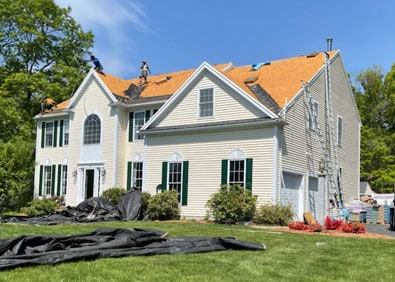
Roof Installations
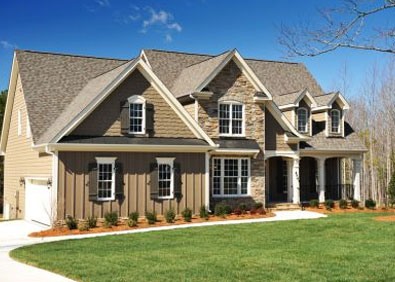
Roof Replacements
Roof Repairs