
Hail damage roof repair is a critical concern for Massachusetts homeowners after severe storms. If you’re seeking solutions, here’s what you need to know:
Quick Answer: Key Facts About Hail Damage Roof Repair
Hailstorms are a costly threat. In 2022, over 4,400 severe hail events caused billions in property damage, with State Farm reporting a $1 billion surge in hail claims that year.
Your roof is your home’s primary shield. Hail damage can compromise its integrity, even if it looks minor. Small dents or cracks can escalate into leaks, mold, and expensive structural repairs if unaddressed.
Many homeowners struggle to distinguish hail damage from normal wear. Knowing what to look for is key to a successful insurance claim and avoiding major out-of-pocket costs.
I’m Jason Hedtler, owner of Roof Experts LLC in Bellingham, MA. For years, I’ve helped Massachusetts homeowners with hail damage roof repair, from inspection to insurance claims. This guide shows how to identify damage, manage repairs, and protect your home.

After a hailstorm, ensure your family is safe, then assess the damage. While a professional inspection is crucial, you can start by checking your property from the ground.
Hail damage is often widespread. If it hit your roof, it likely hit other parts of your property. Walk around your home and check these areas from the ground for impact signs:

This collateral damage suggests your roof was also hit. Do not climb on your roof. It’s unsafe. A professional can perform a thorough, safe inspection.
Hail damage looks different depending on the roofing material. With two decades of experience, we know what to look for on each type.
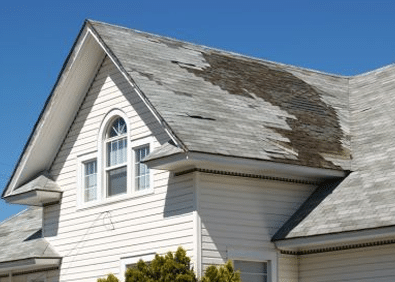
On asphalt and composition shingles, look for:
Blistering, UV degradation, and installation scuffs can be mistaken for hail damage, which is why a professional inspection is vital.
On wood shingles, look for fresh brown or orange splits with sharp edges and impact marks that reveal newer wood.
On metal roofs, hail creates dents and dings. While often cosmetic, severe denting can affect water drainage.
On tile and slate roofs, large hail can crack or shatter pieces, compromising the roof’s waterproofing.
Some common signs of hail damage include loose granules, cracks, and random damage patterns. Also inspect roof vents, chimneys, and skylights for dents or chips.
Damage severity depends on hail size (1-inch or larger causes significant damage), wind speed (which increases impact force), roofing material, and the roof’s age and condition. An older roof is more susceptible to damage from smaller hail. Your roof slope also plays a role.
The Risks of Ignoring Hail Damage
Ignoring even minor hail damage is risky. It can lead to:
Prompt repairs prevent these small issues from becoming costly, large-scale problems. A small fix today prevents a major overhaul tomorrow.
Finding hail damage is stressful. At Roof Experts, we guide homeowners through the repair and insurance process to protect their homes. A clear plan helps you navigate this smoothly.

After a hailstorm, follow this systematic plan to ensure your home is restored correctly:
Understanding your homeowner’s policy is crucial for a smooth hail damage roof repair. Once you suspect damage, contact your insurance agent to start the claims process. Most companies require claims within one year of the storm, so act quickly.
An insurance adjuster will assess the damage. We recommend having our roofing expert present to ensure all damage is recorded.
A key part of your policy is the difference between Actual Cash Value (ACV) and Replacement Cost Value (RCV):
| Feature | Actual Cash Value (ACV) | Replacement Cost Value (RCV) |
|---|---|---|
| Definition | Pays for the depreciated value of your roof (its worth right before the storm). | Pays the full cost to replace your damaged roof with new materials at current prices. |
| Payout | You receive the depreciated value of your roof, minus your deductible. | You receive an initial payment (ACV), then a second payment for the remaining cost after repairs are complete. |
| Homeowner Cost | You pay your deductible plus the difference between the ACV payout and the full replacement cost. | You typically only pay your deductible. |
Most homeowners prefer RCV policies for better coverage. Your deductible is what you pay before insurance kicks in. Beware of contractors offering to “waive” or “pay” your deductible, as this is illegal in Massachusetts and Rhode Island. You can learn more about what to know about roofing and insurance.
The cost of hail damage roof repair varies, but on average, it is $4–$7 per square foot. The price depends on several key factors:
Hail often damages more than just shingles. Associated repairs may include:
Choosing the right contractor is critical. Beware of “storm chasers” who appear after storms and lack local credibility. Look for these qualities:
At Roof Experts, we pride ourselves on high-quality work and fair prices. With over 20 years of experience, our team can provide a professional assessment.
To protect your home from future storms, consider these proactive measures:
By being proactive and choosing the right professionals for hail damage roof repair, you can protect your home for years. For a professional roofing assessment in our service areas, like Attleboro, MA, visit us at Get your professional roofing assessment in Attleboro, MA.
Roof Installations
Roof Replacements
Roof Repairs