
If you’re considering a complete roof replacement, you’re taking a crucial step in safeguarding your home. A complete roof replacement is much more than just laying down new shingles; it involves replacing all layers of your roof—from shingles to decking, underlayment, flashing, drip edge, soffit, and fascia.
Here’s a quick snapshot of what’s included in a complete roof replacement:
I’m Jason Hedtler, owner of Roof Experts, with over 20 years of experience in providing top-quality roofing solutions in Massachusetts. Our team specializes in complete roof replacement, ensuring long-lasting protection for your home.

Essential complete roof replacement terms:
– how long does it take to install new roof
– how much to get new roof installed
– new roof installation process
Knowing when to opt for a complete roof replacement is crucial for maintaining the integrity of your home. Here are the key signs to look out for:
If you notice your shingles curling at the edges, it’s a red flag. Curling shingles often indicate that your roof is nearing the end of its life. This problem can be caused by heat, poor ventilation, or simply old age.
Cupping shingles have concave centers, creating a bowl-like shape. This issue can lead to water pooling and leaks. Like curling shingles, cupping is a sign of wear and tear that suggests it’s time for a new roof.
Finding granules in your gutters or on the ground is another warning sign. Shingle granules protect your roof from UV rays. Losing them means your shingles are deteriorating and can no longer offer adequate protection.
Cracks in your shingles can be caused by heavy winds or debris. These cracks allow water to seep in, which can lead to more severe damage. If you spot cracked shingles, it’s time to consider a complete roof replacement.
Missing shingles are a clear sign that your roof is compromised. Gaps allow water to enter, causing leaks and structural damage. If you see missing shingles, it’s essential to act quickly to prevent further issues.
The age of your roof is a significant factor. Most asphalt shingle roofs last about 20 to 25 years. If your roof is within this age range or older, it’s wise to plan for a replacement before problems arise.
If you can see sunlight coming through the roof boards in your attic, it’s a sure sign that your roof is no longer providing adequate protection. These gaps not only let in light but also water, which can lead to severe damage.

These signs help you identify when a complete roof replacement is necessary to protect your home. Ignoring these issues can lead to more costly repairs down the line. Up next, we’ll dive into what’s included in a complete roof replacement and how the process unfolds.
A complete roof replacement is a thorough process that involves removing all existing roofing materials and installing new ones. This ensures your roof is in optimal condition to protect your home. Here’s a breakdown of the essential components involved:
Shingles are the outermost layer of your roof, acting as a barrier against water, wind, and debris. Asphalt shingles are the most common choice for residential homes due to their affordability and ease of installation. However, there are other options available:
The decking, also known as the roof deck, is the foundation layer to which all other roofing materials are attached. It typically consists of flat boards made from plywood or OSB (Oriented Strand Board) attached to the joists or trusses. This layer provides structural support and a base for the shingles and underlayment.
The underlayment is a crucial waterproof or water-resistant layer installed directly on the roof deck. It offers an additional level of protection from severe weather. Common types include:
Flashing is made from thin strips of galvanized steel and is used to direct water away from vulnerable areas of the roof, such as where it meets vertical surfaces like walls or chimneys. Properly installed flashing prevents water from seeping into these critical junctions.
The drip edge is a thin metal component installed along the edges of the roof. It helps direct water runoff away from the roof and into the gutters, preventing water from penetrating the underlying layers. This is essential for keeping the decking and other materials dry.
Soffit and fascia are architectural elements that contribute to the overall health and appearance of your roof:

Understanding what’s included in a complete roof replacement helps you grasp the complexity and importance of this home improvement project. Each layer plays a vital role in ensuring the longevity and effectiveness of your new roof.
Next, we’ll walk you through the roof replacement process, from initial inspection to final cleanup.
The first step in a complete roof replacement is a thorough inspection by a qualified roofing company. During this inspection, the roofer will:
Once the inspection is complete, you will receive a detailed project estimate. This estimate will outline the scope of work, materials needed, and the total cost. Make sure to ask any questions and clarify details before moving forward.
After you agree to the estimate and sign the contract, the next step is scheduling. The roofing company will:
Proper planning helps avoid delays and ensures the project runs smoothly.
On the scheduled day, the crew will arrive on time and begin the process:
Most installations are completed within a day, but larger or more complex roofs may take longer.
Once the installation is complete, the crew will:
A final inspection is conducted to verify that the job meets all quality standards. This may involve a building inspector to ensure compliance with local codes and regulations.
By understanding each step, you can better prepare for your complete roof replacement and ensure it goes smoothly.
Next, we’ll discuss the costs associated with a complete roof replacement.
Replacing a roof is a big investment, and understanding the costs involved can help you budget effectively. Let’s break down the different factors that influence the cost of a complete roof replacement.
The type of roofing material you choose plays a significant role in the overall cost. Here are some common options:
Asphalt Shingles
– Most Common Choice: Affordable and durable.
– Cost Range: $8,000 to $17,000 for a 2,000-square-foot home.
– Lifespan: Typically lasts 15-30 years.
Wood Shingles
– Aesthetic Appeal: Offers a natural, rustic look.
– Cost Range: $14,000 to $32,000 for a 2,000-square-foot home.
– Durability: Can last up to 50 years with proper maintenance.
Metal Roofing
– Long-Lasting: Extremely durable, lasting 40-100 years.
– Cost Range: $14,000 to $34,000 for a 2,000-square-foot home.
– Energy Efficient: Can reduce energy costs by up to 40%.
Slate Roofing
– Premium Option: Very durable but expensive.
– Cost Range: $19,000 to $52,000 for a 2,000-square-foot home.
– Longevity: Can last over 100 years.
Clay Tiles
– Great for Hot Climates: Reflects heat and lasts long.
– Cost Range: $22,000 to $50,000 for a 2,000-square-foot home.
– Durability: Can last up to 50 years.
Full Replacement
– Scope: Involves removing the entire existing roof and installing a new one.
– Cost: Higher upfront but ensures long-term stability and a uniform appearance.
– When to Choose: Necessary for older roofs or those with widespread damage.
Partial Replacement
– Scope: Only a section of the roof is replaced.
– Cost: Lower than a full replacement but may not be as visually consistent.
– When to Choose: Suitable if the rest of the roof is still in good condition.
When planning for a complete roof replacement, consider these additional costs:
Permit Fees
– Requirement: Necessary for most roofing projects.
– Cost: Varies by location but can add a few hundred dollars to the total cost.
Roof Inspection
– Importance: Ensures the job is done correctly.
– Cost: Around $220 on average.
Emergency Services
– Urgent Repairs: May be needed for unexpected damage.
– Cost: Can add significantly to the overall expense.
Gutter Damage
– Potential Issues: Old or damaged gutters may need replacing.
– Cost: Additional costs for new gutters and installation.
Understanding these costs can help you budget effectively for your complete roof replacement. Next, we’ll dive into the frequently asked questions about roof replacement.
Replacing 1,000 square feet of roof typically costs around $7,000. However, the price can range from $4 to $40 per square foot, depending on the materials used and the complexity of the job. For example, asphalt shingles, a popular choice, usually cost between $4 and $25 per square foot.
It’s important to get multiple quotes from contractors to understand the average cost for your specific needs. Be sure to consider factors like the pitch of your roof and any necessary repairs to the underlying structure, as these will affect the total cost.
The most expensive part of a new roof is usually the installation costs. Labor can account for up to 60% of the total price. Contractors may charge between $40 and $60 per hour, or provide a flat-rate estimate. Complex jobs with steep roofs or hard-to-access areas may incur higher labor costs.
Materials also play a significant role in the overall cost. High-end materials like slate or metal can be much more expensive than standard asphalt shingles. For instance, while asphalt shingles may cost around $7 per square foot, premium options like slate can go up to $52,000 for a 2,000-square-foot home.
A full roof replacement involves tearing off every layer of the existing roof and replacing it with new materials. This process is often referred to as a “tear-off” roof. Here’s what gets replaced:
A full roof replacement ensures that all these components are updated, providing a comprehensive solution to any roofing issues and extending the life of your roof.
Next, we’ll explore the roof replacement process in detail, from initial inspection to final cleanup.
At Roof Experts, we understand that a complete roof replacement is a significant investment for Massachusetts homeowners. That’s why we are committed to providing high-quality workmanship and exceptional customer service throughout the entire process.
Our team of experienced roofing professionals ensures that every detail of your roof replacement is handled with care and precision. From the initial inspection to the final cleanup, we aim to make the experience as smooth and stress-free as possible.
Detailed Roof Inspections
We start with a thorough inspection to assess the condition of your roof and identify any underlying issues. This helps us provide an accurate estimate and ensures that no surprises arise during the project. Our inspections are detailed and comprehensive, covering everything from shingles to decking and flashing.
High-Quality Workmanship
Quality is at the heart of what we do. We use only the best materials and employ skilled craftsmen to ensure that your new roof is built to last. Whether you’re opting for durable asphalt shingles or another roofing material, you can trust us to deliver top-notch results.
Exceptional Customer Service
We believe that great customer service is just as important as quality workmanship. Our team is always available to answer your questions and address any concerns. We keep you informed at every stage of the project, so you know exactly what to expect.
Serving Massachusetts Homeowners
As a local company, we are proud to serve homeowners across Massachusetts. We understand the unique challenges posed by New England weather and tailor our services to meet these specific needs. Whether you’re dealing with storm damage or simply need a roof upgrade, we have the expertise to help.
For more information or to schedule a consultation, visit our Roof Installations service page. Let us help you protect your home with a reliable, high-quality roof replacement.
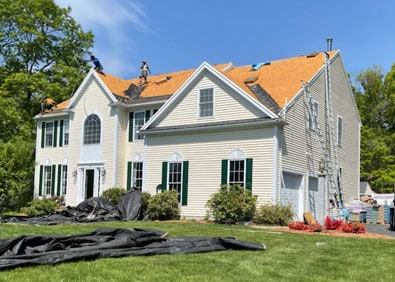
Roof Installations
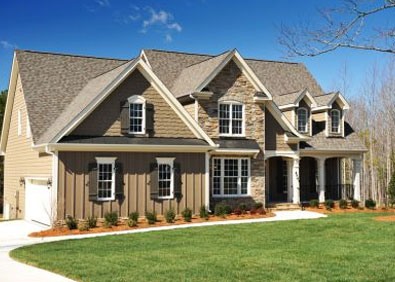
Roof Replacements
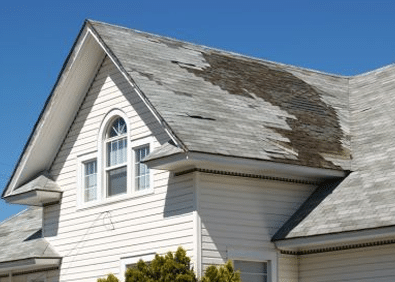
Roof Repairs