
Average cost for roofing per square is an essential piece of information for homeowners planning a roof replacement, especially in Massachusetts. Typically, replacing a roof can cost anywhere from $4 to $40 per square foot, depending on various factors including the materials used and the complexity of the roof design. Here’s a quick breakdown:
A well-maintained roof is more than just aesthetics; it protects your home from weather elements and increases property value. As trends in roofing material evolve, homeowners now have options that offer enhanced durability and energy efficiency, suitable for both the hot summers and cold winters of Massachusetts.
In 2024, staying updated on market trends and knowing the current costs can help you make informed decisions. This article will guide you through understanding roof replacement costs, key materials, and how various factors influence pricing. By the end, you’ll have a clear picture of what to expect when planning your next roofing project.

When planning a roof replacement, understanding the average cost for roofing per square is crucial. A roofing square is a 10 ft by 10 ft section of roofing material, totaling 100 square feet. Here’s how various factors affect these costs:
The type of roofing material you choose significantly impacts the overall cost. Here’s a breakdown:
Choosing the right material depends on your budget, climate, and aesthetic preferences.
Labor costs can account for up to 60% of your total roofing expenses. On average, labor costs range from $2 to $7 per square foot. This can vary based on:
Most contractors offer flat-rate estimates, but it’s wise to get multiple quotes for comparison.
Regional variations play a role in roofing costs. In Massachusetts, factors like weather conditions and local building codes can influence prices. For instance, roofs in areas with heavy snowfall might require more durable materials and additional structural support, increasing costs.
The size of your roof directly impacts the cost. Larger roofs require more materials and labor. Here’s a quick look at average costs based on roof size:
| Roof Size (in Square Feet) | Average Cost |
|---|---|
| 1,000 | $7,000 |
| 1,500 | $10,500 |
| 2,000 | $14,000 |
| 3,000 | $21,000 |
Accurate measurements are essential, and a professional can help determine the exact size.
The slope or pitch of your roof affects both material and labor costs. Steeper roofs are harder to work on and may require specialized equipment, leading to higher costs. Flat roofs, while easier to install, might need additional drainage solutions.
Several additional factors can influence the average cost for roofing per square:
Understanding these factors helps in budgeting and avoiding surprises.
Selecting the right material isn’t just about upfront costs. Consider long-term benefits like durability and maintenance. For example, while asphalt shingles are affordable, metal roofs offer longevity and energy efficiency, which can save money over time.
Prices can vary significantly across regions. In Massachusetts, the cost of living, availability of materials, and local regulations all play a role. Always get quotes from local contractors to get a realistic estimate.
In the next section, we’ll dive deeper into the key materials and their costs, helping you choose the best option for your home.
When it comes to roofing materials, the average cost for roofing per square can vary widely based on the type of material you choose. Here, we’ll break down the costs for some of the most common roofing materials: asphalt shingles, metal roofing, tile roofing, and flat roof materials.
Asphalt shingles are the most popular roofing material in the United States. They are affordable, easy to install, and come in a variety of colors and styles.
Asphalt shingles are ideal for moderate climates but may struggle in extreme temperatures, causing them to expand and crack.
Metal roofs are known for their durability and energy efficiency. They are a great option for homes in areas with heavy snowfall or high winds.
Common metal roofing options include aluminum, copper, and steel. For instance, aluminum shingles are durable and less expensive, while copper tiles can cost up to $4,000 per roofing square but offer unmatched longevity.
Tile roofs are often seen in warm, coastal areas due to their excellent resistance to rot and low maintenance needs.
Popular tile options include clay/ceramic tiles and slate tiles. While clay tiles are customizable and durable, slate tiles may require additional roof reinforcement due to their weight.
Flat roofs are common in commercial buildings but are also used in some residential homes. They require specific materials to ensure proper drainage and durability.
Common materials for flat roofs include EPDM (ethylene propylene diene terpolymer) and TPO (thermoplastic polyolefin). EPDM is known for its durability but can shrink in high heat, while TPO offers better heat resistance.
In the next section, we’ll discuss the factors that influence roof replacement costs, including labor, permits, and additional features.
When it comes to roof replacement, several factors can influence the overall cost. Let’s break down these elements to help you understand what to expect.
Labor is a significant part of roof replacement expenses. In Massachusetts, labor costs can vary depending on the skill level required and the complexity of the job. Steeper roofs or those with intricate designs may require specialized labor, which can increase costs.
Permits and inspections are essential to ensure your roof replacement meets local building codes. In Massachusetts, permit fees can range from $150 to $500, depending on your location and the project’s complexity. These costs are necessary to avoid any legal issues down the line.
Special features like skylights, chimneys, and dormer windows require extra attention. For example, adding or replacing skylights can cost between $500 and $3,000 per skylight. These features not only increase labor costs but also require additional materials for proper flashing and sealing.

The time of year can also impact roofing costs. In Massachusetts, roofing projects are often more expensive in the winter due to challenging weather conditions. Contractors may charge more to account for the extra time and equipment needed to work safely in snow and ice.
Roofing costs can vary significantly from one region to another. For instance, urban areas like Boston may have higher labor and material costs compared to rural parts of the state. It’s always a good idea to get multiple quotes to understand the price range in your specific area.
Massachusetts experiences a range of weather conditions, from heavy snowfall in winter to hot, humid summers. These weather extremes can affect the type of roofing material you choose. For example, metal roofs are excellent for shedding snow but can be more expensive upfront.
The availability of roofing materials can also influence costs. If a particular material is scarce or has to be imported, it will likely be more expensive. For example, slate tiles can cost between $19,000 and $52,000 for a 2,000-square-foot home due to their limited availability and high demand.
Understanding these factors can help you make a more informed decision when planning your roof replacement. In the next section, we’ll discuss how to calculate your roof replacement cost, including estimation techniques and when to seek professional help.
Calculating the cost of a roof replacement can be a daunting task. But breaking it down into simple steps can make it easier. Here’s a straightforward guide to help you estimate the cost.
First, you need to measure the size of your roof. The cost is often calculated per square foot, but in roofing terms, it’s common to use “squares.” One square equals 100 square feet.
Example:
If your roof is 2,000 square feet, you have 20 squares (2,000/100).
Next, consider the material costs. The type of material you choose significantly affects the price. Here’s a quick look at some average costs per square:
Labor costs also play a big role. On average, labor costs range from $2 to $7 per square foot.
Example:
For a 2,000-square-foot roof using asphalt shingles, the material might cost between $8,000 and $17,000, and labor could add another $4,000 to $14,000.
While DIY calculations can give you a rough idea, a professional assessment is crucial for accuracy. Professionals consider factors like roof pitch, complexity, and existing damage. They provide a detailed quote, often including:
Online calculators are handy tools for initial estimates. Websites like Forbes offer calculators where you input your roof size, material choice, and location to get a rough estimate.
Steps to use an online calculator:
Even with online tools, there are times when you should seek professional help:
In summary, while online calculators and DIY methods can provide a good starting point, a professional assessment is irreplaceable for an accurate and comprehensive estimate. This ensures you get a realistic budget and avoids unexpected costs down the line.
Next, we’ll dive into the key materials and their costs to help you choose the best option for your home.
Replacing your roof is a significant investment, but it’s crucial for maintaining the integrity and value of your home. Understanding the costs involved, from materials to labor, helps you make informed decisions. The average cost for roofing per square can vary based on several factors, including material choice, location, and the complexity of the job.
Quality roofing isn’t just about aesthetics. It’s your home’s first line of defense against the elements. A well-installed roof can prevent leaks, improve energy efficiency, and increase your home’s resale value. Opting for high-quality materials and professional installation can save you money on repairs and replacements in the long run.
At Roof Experts, we understand the unique needs of homeowners in Massachusetts. With over 20 years of experience, we offer a range of roof installations services, including:
We pride ourselves on competitive pricing without compromising on quality. Our professional roof inspections help detect potential issues early, saving you from costly repairs later.
For more information or to schedule a consultation, contact Roof Experts today. Experience why we are the premier choice for roofing services in Franklin, MA, and Bellingham, MA.
In the next section, we’ll explore the key materials and their costs to help you choose the best option for your home.
The best time to replace a roof in Massachusetts is during the fall. Fall offers moderate temperatures, which is ideal for roofing work. Contractors are less busy compared to the summer, often leading to better rates and availability. However, if you want to save even more, consider scheduling your roof replacement during late winter or early spring when demand is lower. Always keep an eye on weather conditions to avoid rain showers and high winds that can delay the project.
A typical roof replacement can take anywhere from a few days to a week, depending on various factors such as the size of your roof, the complexity of the job, and weather conditions. For instance, replacing a 1,000-square-foot roof usually takes less time than a larger, more complex roof. Factors like the materials used and the number of workers on the job can also affect the timeline. Our team at Roof Experts ensures efficient and timely roof replacements to minimize disruption to your daily life.
Yes, a roof replacement can significantly increase your home’s value. A new roof not only enhances curb appeal but also improves energy efficiency and ensures better protection from the elements. According to industry data, homeowners can recoup a substantial portion of their investment in a new roof when they sell their home. Additionally, a new roof can make your home more attractive to potential buyers, potentially speeding up the sale process.
For more details on how a roof replacement can benefit you, visit our Roof Repairs page. Contact Roof Experts today to schedule a free inspection and estimate.
In the next section, we’ll explore the key materials and their costs to help you choose the best option for your home.
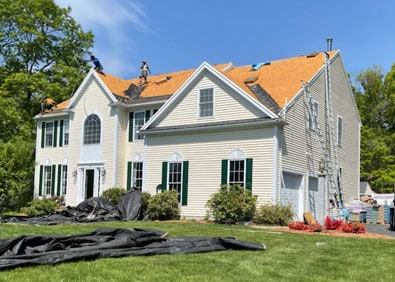
Roof Installations
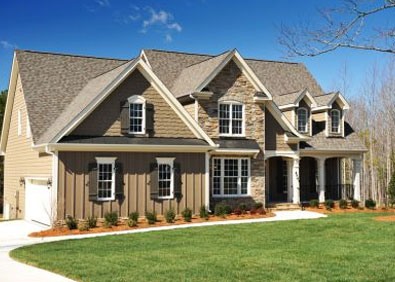
Roof Replacements
Roof Repairs